
About All ToursHelicopter Ride Tours2-Day ToursFrom Buenos Aires ToursBoat ToursPrivate ToursBoth Sides ToursArgentina Side ToursBrazil Side ToursFull Moon Tours Directions Hours & Fees
Find Tours 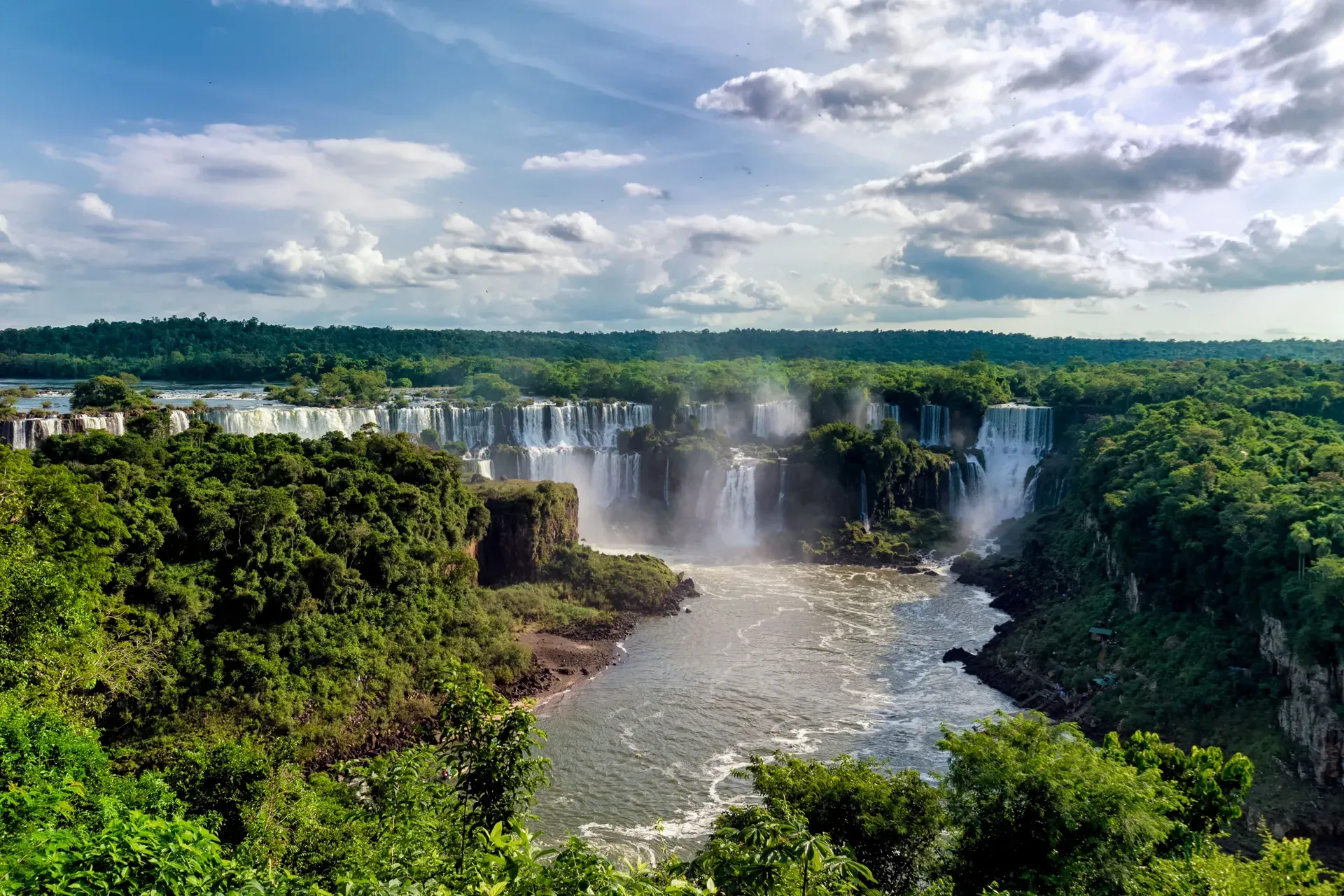
Experience panoramic views of the cascades with our Iguazu Falls Brazil side tours. Choose from quick half-day excursions to comprehensive full-day trips that also cross the border into Argentina.
 Free Cancellation
 Experience both sides of Iguazu Falls in one day, visiting the Argentine trails and the Brazilian panoramic views.
 Free Cancellation
 Explore both sides of Iguaçu Falls in one day with a small group and a guide who handles the border crossing.
 Free Cancellation
 See the Iguaçu Falls from both Argentina and Brazil on a private day tour focused on the best trails and viewpoints.
 Free Cancellation
 Explore both sides of Iguassu Falls over two days with priority border crossing and private park access.
 Free Cancellation
 Visit both the Argentine and Brazilian sides of Iguazú Falls with a local guide to navigate trails and border crossings.
 Free Cancellation
 Visit both the Argentine and Brazilian sides of Iguazu Falls in one day with a trilingual guide and hotel pickup.
 Free Cancellation
 Walk the Brazilian side of Iguazu Falls for panoramic views of the cascades and a close-up of the Devil’s Throat.
 Free Cancellation
 View 275 waterfalls stretching across 3 km of the Iguassu River canyon from the Brazilian side.
 Free Cancellation
 Private tour of the Brazilian Iguazu Falls with direct park access and a walk to the 82-meter Devil’s Throat.
 Free Cancellation
 Experience the best of Iguacu Falls from both the Argentine and Brazilian sides in a single, private day tour.
Read what travelers share about their experience visiting Iguazu Falls — from practical tips to personal highlights.

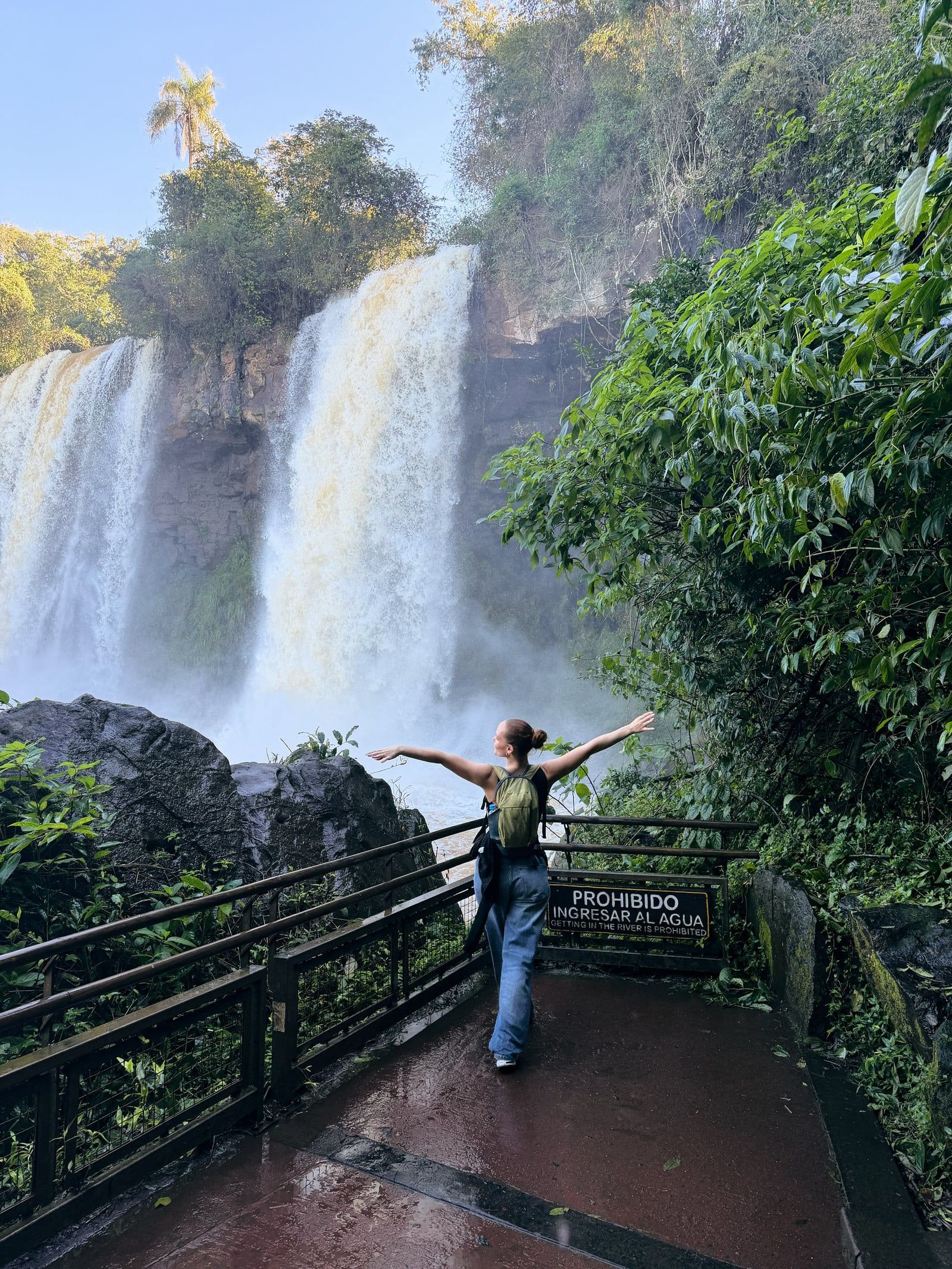
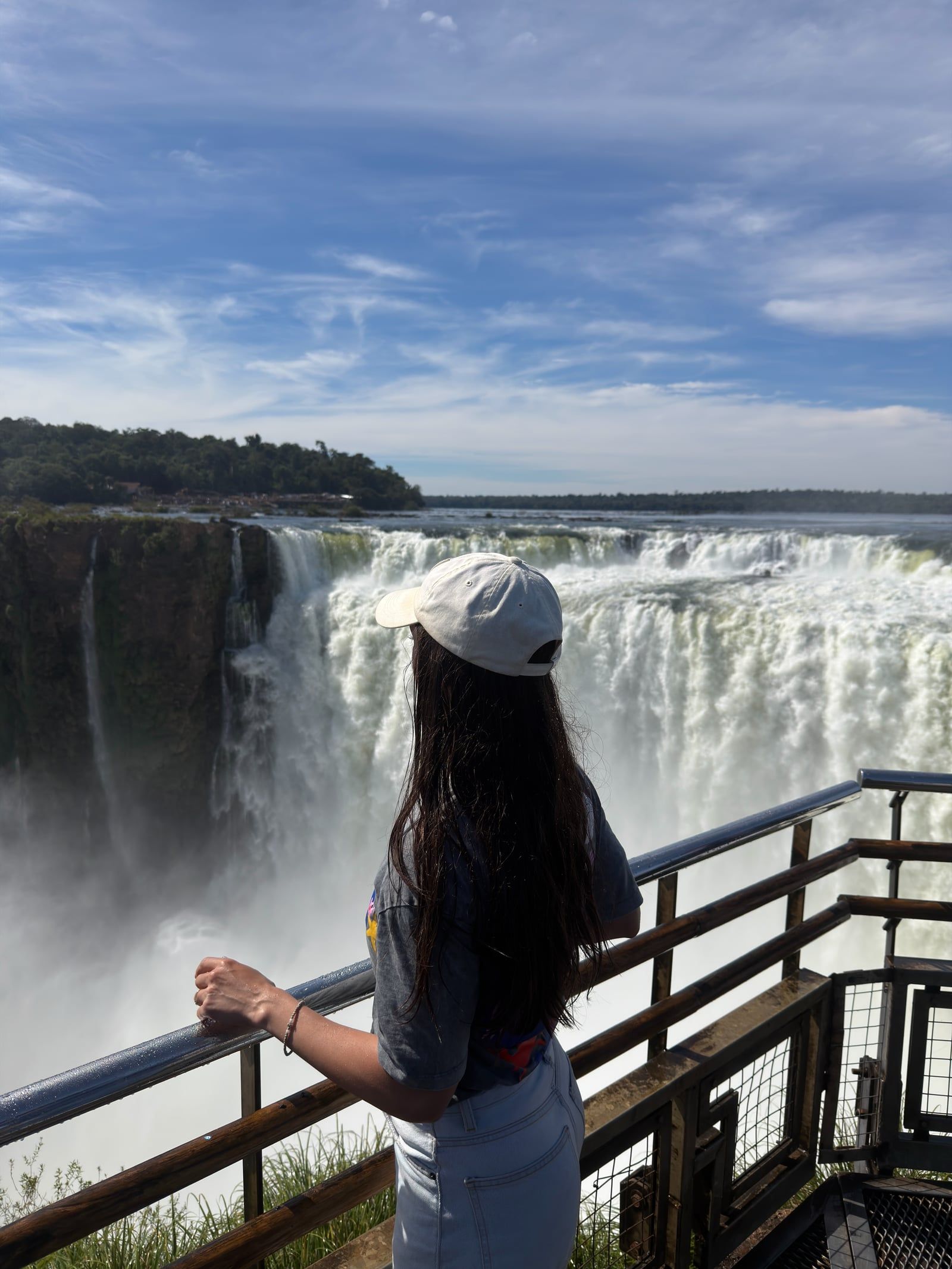
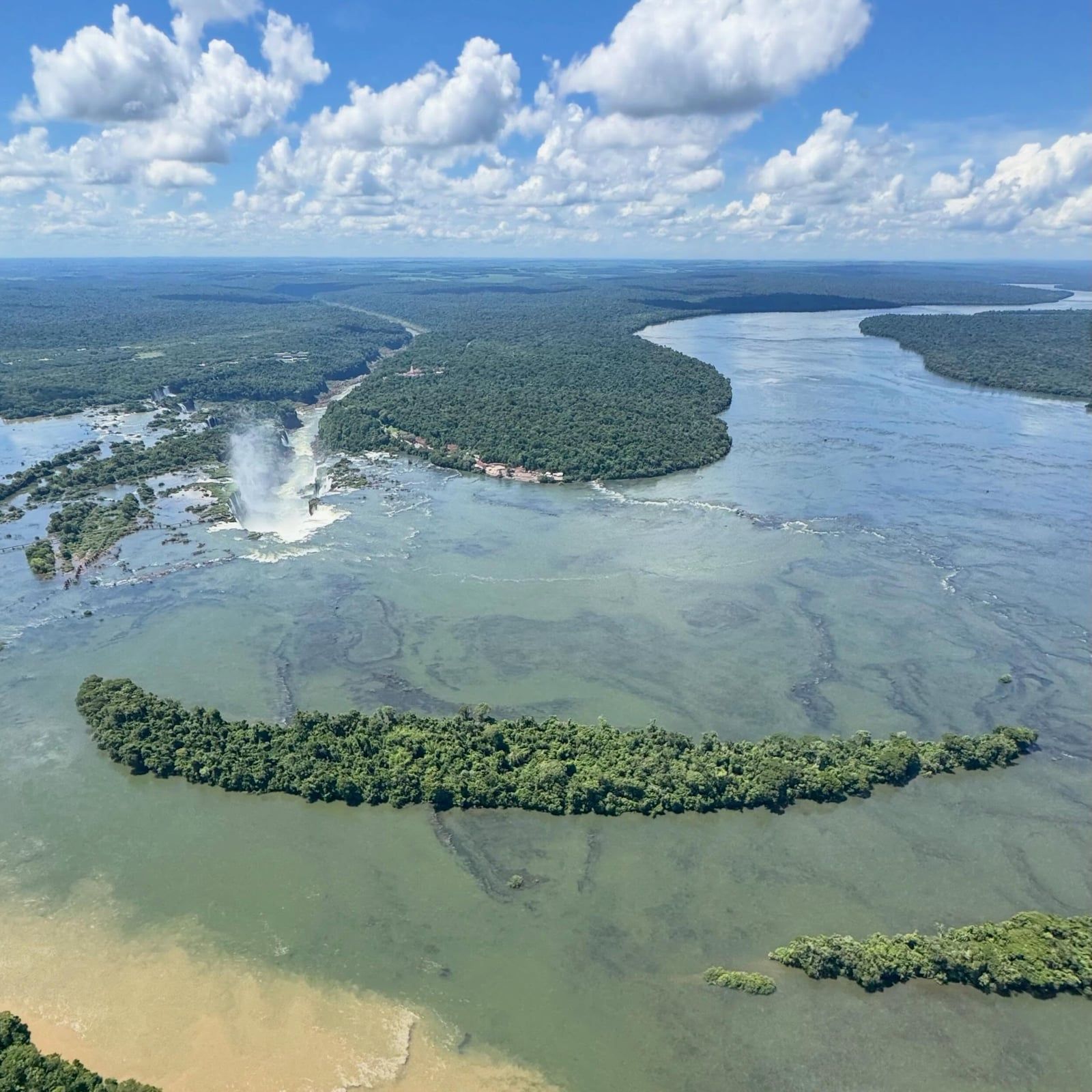
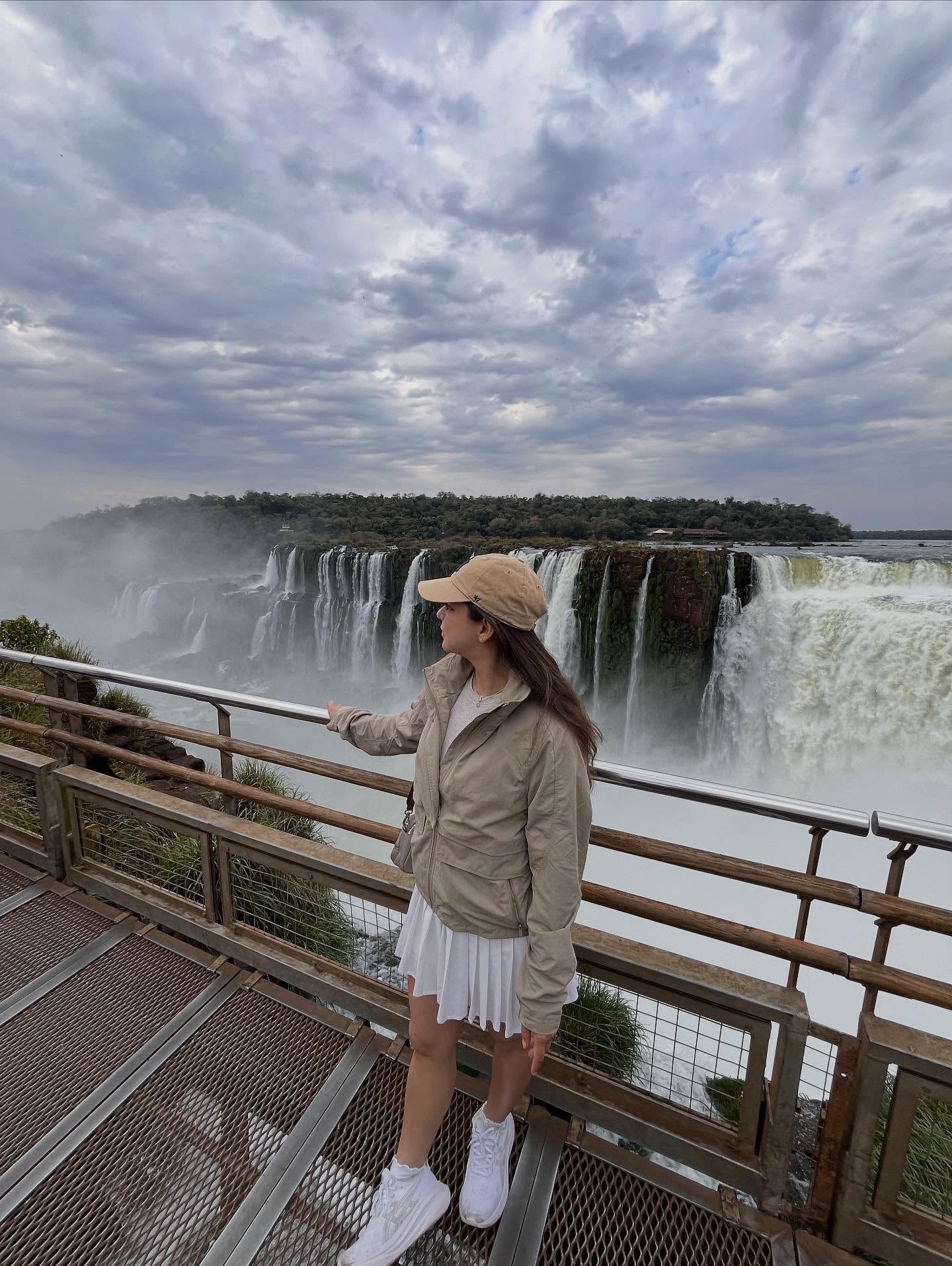
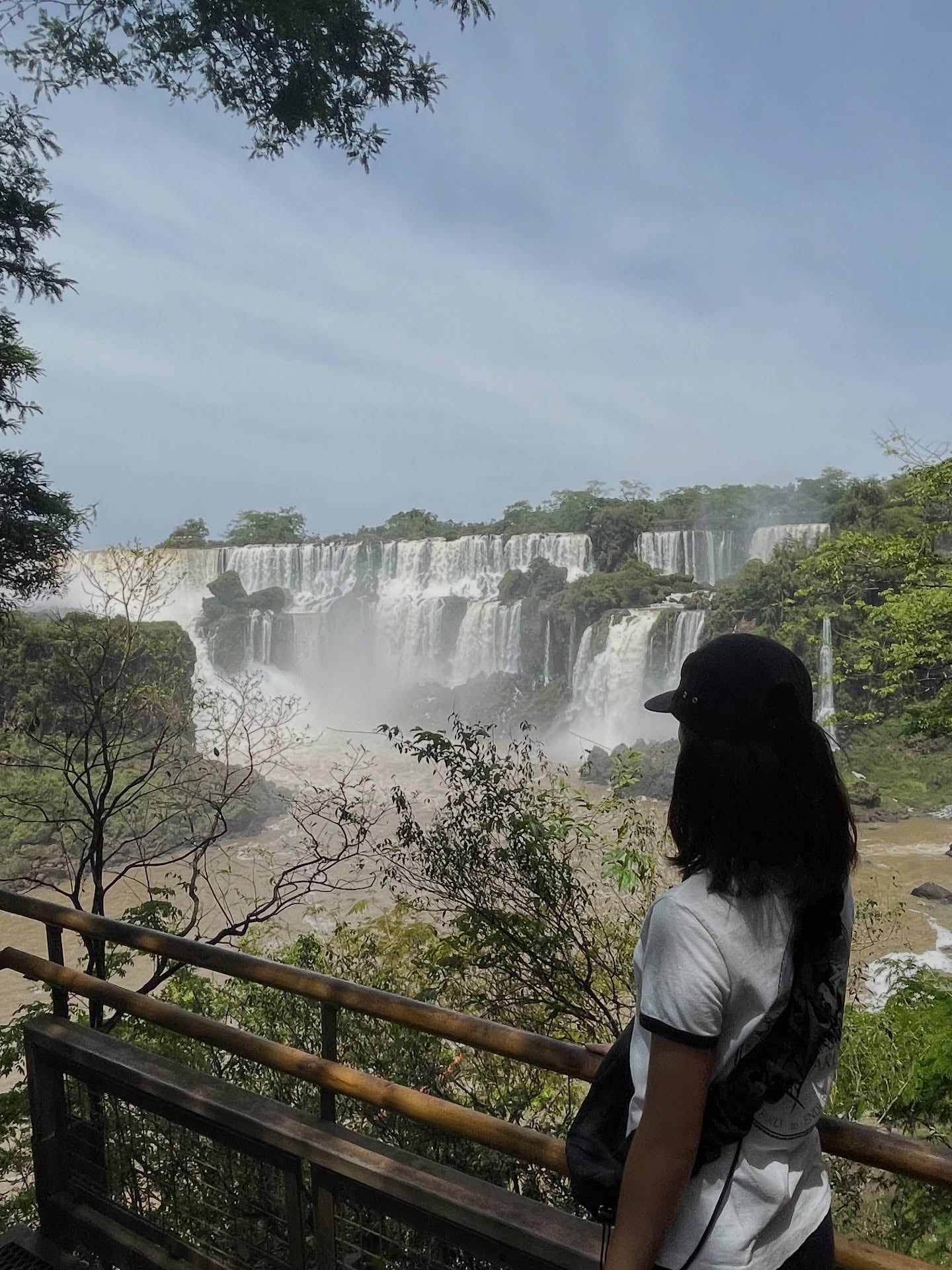
A tour of the Brazilian side of Iguazu Falls is all about taking in the sheer scale of this natural wonder. While the Argentine side puts you right in the middle of the cascades, the Brazilian side offers the most spectacular, wide-angle panoramic views of the 275 individual waterfalls.
Follow a paved 1.4-kilometer trail that winds along the edge of the canyon. You will get continuous, unobstructed views of the massive waterfall system plunging into the Iguazu River.
Walk out onto a steel footbridge that extends directly over the gushing waters. You will feel the intense mist and hear the deafening roar of the 82-meter-high Garganta del Diablo.
Ride a step-free panoramic elevator up the high cliffs at the end of the trail. This provides a stunning bird's-eye perspective of the thundering waters and massive mist clouds.
If you book a full-day tour covering both countries, your guide will handle the logistics of crossing the international border, utilizing fast lanes to skip long immigration lines.
The surrounding humid subtropical rainforest is home to over 2,000 plant species. Keep an eye out for colorful toucans, butterflies, and the native coatis roaming the paths.
Many tours offer a stop at Parque das Aves, located just 5 minutes from the park entrance. You can walk through massive aviaries to see macaws and rare harpy eagles up close.
Planning your Iguazu Falls tour requires a bit of logistical preparation, especially regarding park fees and border crossings. Here is what you need to know before securing your spot.
Most guided tours do not include the national park entrance fees in the upfront price. You will need to purchase your Brazilian side ticket separately (approx. $22 USD for foreign adults) either online in advance or in local currency at the gate.
If you are booking a tour that visits both the Brazilian and Argentine sides, you must bring your physical passport. You cannot cross the international bridge without getting exit and entry stamps.
Check visa requirements for both Brazil and Argentina before booking. Starting in April 2025, citizens of Australia, Canada, and the US will require an e-visa to enter Brazil, which must be arranged entirely online beforehand.
A tour strictly focused on the Brazilian side usually takes a half-day (3 to 4 hours). If you opt for a comprehensive tour covering both Brazil and Argentina, expect a full 8 to 10-hour day.
Tours generally offer roundtrip transfers from hotels in both Foz do Iguaçu (Brazil) and Puerto Iguazú (Argentina). If you are staying at an Airbnb or outside the downtown zones, operators will usually arrange a central meeting point.
The soil in this region is rich in iron, giving it a vibrant red color that easily stains light fabrics. Leave your pristine white sneakers at home and wear dark, sturdy, non-slip footwear.
Even on the panoramic Brazilian side, the mist from the falls will soak you near the main walkways. Bring a waterproof poncho and protect your camera or phone with a dry bag.
The vast majority of tours offer a flexible cancellation policy, allowing you to receive a full refund if you cancel at least 24 hours before the scheduled departure time.
| Half-Day Brazilian Side | Full-Day Both Sides (Group) | Private Both Sides Tour | Two-Day Comprehensive | |
|---|---|---|---|---|
| Duration | 3.5 - 4 hours | 8 - 10 hours | 8 - 9 hours | 48 hours |
| Best For | Travelers short on time wanting panoramic views | Seeing the complete waterfall system in one day | Skipping bus lines and traveling at your own pace | Maximizing time at both parks without rushing |
| Includes | Hotel pickup, bilingual guide, AC transport | Roundtrip transport, guide, border crossing assistance | Private AC vehicle, fast lane border access, dedicated guide | Private transport for 2 days, licensed guide, parking fees |
| Price From | $49 USD | $50 USD | $123 USD | $210 USD |
The Brazilian side of Iguazu Falls (Iguaçu National Park) is open 365 days a year, but hours vary slightly depending on the day of the week.
To avoid the heaviest crowds, try to arrive right when the gates open, especially on weekends.
Getting to the Brazilian park entrance is relatively straightforward depending on where you are staying:
The ideal time to visit Iguazu Falls is during the shoulder seasons of autumn and spring, specifically April to May or September to October. During these months, the weather is pleasantly warm, water levels are robust, and you avoid the peak holiday crowds.
Months to Avoid: January and late July are the busiest times due to Argentine and Brazilian school holidays. January and February are also extremely hot and humid, with frequent afternoon thunderstorms that can occasionally cause temporary trail closures.
Iguazu Falls is exceptionally well-equipped for visitors with mobility issues, being roughly 90% accessible. The Brazilian side is particularly easy to navigate.
Free conventional wheelchairs are available at the visitor centers on a first-come, first-served basis.
The Brazilian park is well-developed with modern amenities to ensure a comfortable visit.
To protect the delicate rainforest ecosystem and ensure visitor safety, the park strictly enforces several rules:
Generally, no. Most guided tours do not include the national park entrance fees. You will need to pay the Brazilian side fee (approximately $22 USD for foreign adults) separately, either online or at the gate.
If your tour departs from Argentina (Puerto Iguazú) and crosses into Brazil, you absolutely need your physical passport for immigration. If you are already staying in Brazil and only visiting the Brazilian side, you should still carry ID, but you won't cross a border.
The Brazilian side is smaller than the Argentine side and typically takes a half-day to complete. Most tours allocate about 3 to 4 hours to walk the 1.4-kilometer panoramic trail and take the elevator to the upper viewpoints.
Both sides offer completely different experiences. The Brazilian side is best for wide, panoramic views of the entire 275-waterfall system, while the Argentine side lets you walk directly over and under the cascades. It is highly recommended to visit both.
Yes, especially at the end of the trail near the Devil's Throat walkway. The mist from the massive volume of water will soak you, so wearing quick-dry clothing and bringing a waterproof poncho is highly recommended.
No, drone photography is strictly prohibited on both the Brazilian and Argentine sides without official, advance permission from the park administrations. This rule is heavily enforced to protect wildlife and visitor safety.
Yes, the Brazilian side is highly accessible. It features flat paved trails, panoramic buses with ramps, and a step-free panoramic elevator at Porto Canoas. Free wheelchairs are also available at the visitor center.
Wear sturdy, non-slip walking shoes, as the walkways get very wet and slippery from the mist. Avoid wearing white sneakers, as the iron-rich red soil of the region will easily and permanently stain them.
The most common issue for tourists is the coati, a raccoon-like animal that roams the food courts. While they look cute, they can bite or scratch if they think you have food. Never feed or touch them.
Yes, many tour operators offer roundtrip transfers from hotels in Puerto Iguazú (Argentina). The guide will help facilitate the border crossing into Brazil, though you must ensure you have the proper visas if required by your nationality.
Browse verified tours with free cancellation and instant confirmation.
Find Tours

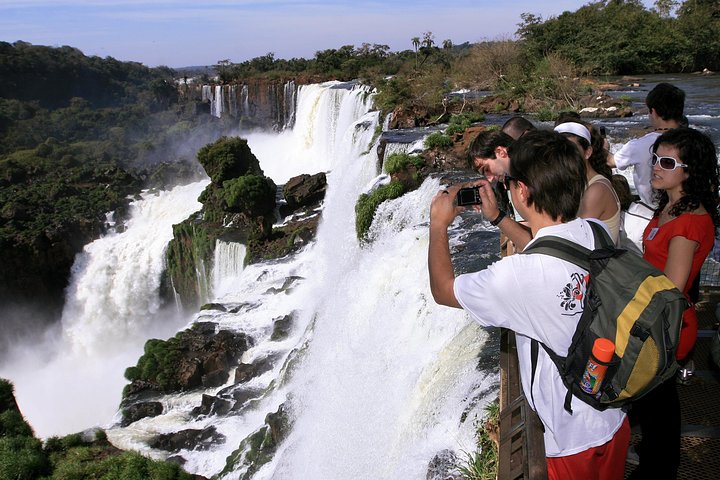
This full-day excursion provides a complete look at Iguazu Falls by visiting both the Argentine and Brazilian national parks. The journey begins on the Argentine side, where a network of walkways leads you through the subtropical rainforest to viewpoints directly above and below the cascading water. You will have time to explore the various circuits, including the path to the Devil’s Throat, the largest and most powerful section of the falls. After exploring Argentina, the tour crosses the border into Brazil to offer a different vantage point. While the Argentine side puts you right in the middle of the action, the Brazilian side is known for its sweeping, panoramic vistas of the entire canyon. Combining both parks in a single day ensures you see the full scale of this natural wonder from every available angle.
For a full refund, cancel at least 24 hours before the scheduled departure time.
Portuguese, English, Spanish


This tour provides a comprehensive look at Iguaçu Falls by visiting both the Brazilian and Argentine sides in a single day. You will walk the panoramic trails on the Brazilian side for a wide-angle view of the falls and experience the power of the Devil’s Throat from the Argentine walkways. Traveling in a small group, you will be led by an expert guide who manages the logistics of the international border crossing and park navigation. This setup minimizes wait times and allows for a deeper exploration of the local flora and fauna. Your guide will handle the administrative details and transportation, ensuring you can focus entirely on the scenery and photography. By coordinating the timing between the two national parks, the tour helps you find the best viewpoints while providing context on the history and ecology of the region. It is designed for those who want to see the highlights of both parks without the stress of managing transport and border bureaucracy on their own.
For a full refund, cancel at least 24 hours before the scheduled departure time.
Portuguese, English, Spanish


This private tour covers the highlights of Iguaçu Falls across both the Argentine and Brazilian borders in a single day. On the Argentine side, you will walk the lower trails to reach the base of the water and follow the Upper Circuit for views from above. The route includes a visit to the Devil’s Throat, where the river drops into the canyon with immense force. The Brazilian side provides a different perspective, offering wide, panoramic views that show the full scale of the falls. This side is also known for its local wildlife and easier walking paths. With a private guide and dedicated transportation, the itinerary is flexible, allowing you to move between the two national parks efficiently while avoiding the pace of a large group.
For a full refund, cancel at least 24 hours before the scheduled departure time.
Portuguese, English, Italian, Spanish


This two-day tour provides a comprehensive look at Iguassu Falls from both the Brazilian and Argentinean sides. Led by licensed professional guides, the itinerary is designed to maximize your time, offering four different perspectives of the falls through a mix of walking trails and scenic viewpoints. We utilize private transport with special authorization to drive directly into the Brazilian National Park, allowing you to skip the long lines for the public shuttle buses. For the Argentinean portion, we use a priority lane at border control dedicated to tourism traffic to reduce wait times. The tour is flexible and can include private transfers from either the Brazilian (IGU) or Argentinean (IGR) airports. Whether you arrive the morning of the tour or are staying overnight, we can coordinate pickups and drop-offs to fit your travel schedule.
For a full refund, cancel at least 24 hours before the scheduled departure time.
English, Spanish


This tour covers both sides of the Iguazú Falls system, a UNESCO World Heritage site consisting of more than 275 individual drops. You will walk the trails through the rainforest on both the Argentine and Brazilian sides, providing different perspectives of the massive falls and the surrounding ecosystem. A local guide accompanies the group to provide context on the region’s geology, plant life, and wildlife. Since the tour crosses an international border, the guide manages the customs process to minimize wait times at the frontier. They also point out the best vantage points for photography and share details about the local history and environment.
For a full refund, cancel at least 24 hours before the scheduled departure time.
Portuguese, English, Spanish


This full-day tour covers the highlights of the Iguazu Falls from both the Argentine and Brazilian sides. We begin with a morning pickup from your hotel, where you will meet your guide. Fluent in English, Spanish, and Portuguese, your guide will manage the logistics as you cross the border to explore the Argentine side first, which is known for its immersive trail systems and proximity to the water. In the afternoon, the tour continues to the Brazilian side for a different perspective. While the Argentine side puts you close to the falls, the Brazilian side offers wide panoramic views of the entire canyon, making it ideal for photography and spotting local bird species. By visiting both parks in a single trip, you get a complete view of the falls while your guide handles the transportation between the two national parks.
For a full refund, cancel at least 24 hours before the scheduled departure time.
Portuguese, English, Spanish

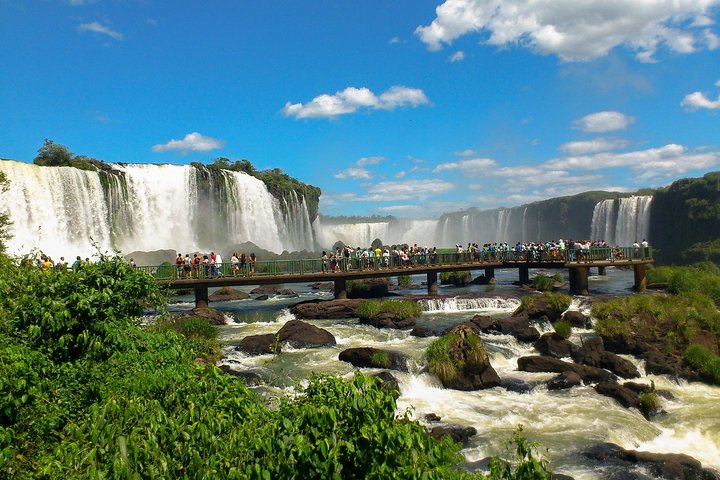

This tour takes you across the border into the Brazilian Iguaçu National Park for a wide-angle perspective of the falls. While the Argentine side puts you among the cascades, the Brazilian side is known for its panoramic views. You will follow a 1.2-kilometer path that faces the Argentine falls, offering a clear look at the water spilling over the cliffs into the canyon below. The walkway leads toward the base of the Devil’s Throat, the tallest and most powerful section of the falls. A boardwalk extends over the river here, letting you feel the mist and hear the roar of the water from a close vantage point. The walk concludes at the Floriano Fall, where you can see the river from multiple heights before heading back.
For a full refund, cancel at least 24 hours before the scheduled departure time.
English, Spanish

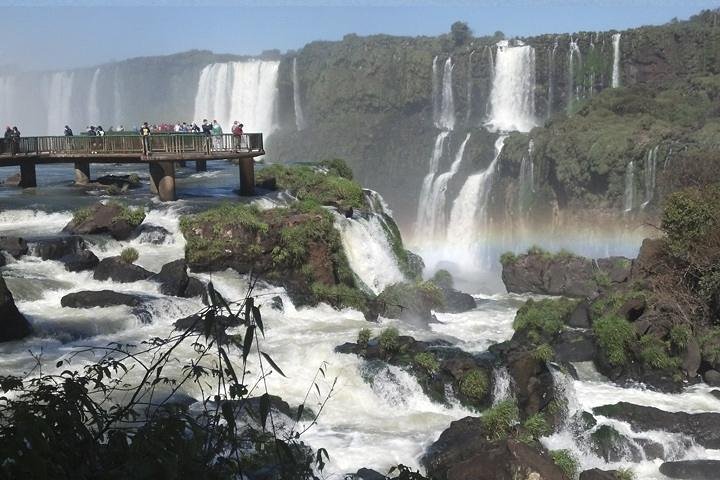

The Iguassu Falls are a network of 275 individual waterfalls spanning nearly three kilometers along the Iguassu River canyon. This tour takes you to the Brazilian side of the border, which is known for offering the most expansive panoramic views of the entire waterfall system. With an average flow of 1,700 cubic meters of water per second, the falls generate a constant mist. This heavy spray often creates large rainbows over the canyon, providing a clear look at the scale and power of the river.
For a full refund, cancel at least 24 hours before the scheduled departure time.
Portuguese, English, Spanish


This private tour provides direct transportation into the Iguazu National Park, allowing you to skip the public double-decker shuttle buses and travel straight to the sights. You will explore the Brazilian side of the falls via a 2,000-meter trail that offers panoramic views of the water. Along the way, it is common to see local wildlife including coatis, butterflies, and various bird species. The walk culminates at the Devil’s Throat walkway, which positions you directly over the park's largest waterfall, standing 82 meters tall. The path is designed to provide multiple perspectives of the falls' power and scale. If you wish to see the area from different angles, optional boat rides and helicopter tours are available to add to your itinerary during the visit.
For a full refund, cancel at least 24 hours before the scheduled departure time.
Portuguese, English, Spanish


This private tour covers the highlights of both sides of Iguacu Falls in a single day. By coordinating efficient transport and border crossings, we ensure you spend less time in transit and more time at the viewpoints. You will explore the Argentine side’s network of trails for a close-up look at the cascades, followed by the Brazilian side for its famous panoramic vistas of the entire canyon. Throughout the day, a dedicated guide provides context on the local wildlife and the history of the falls while navigating the parks at a pace that works for you. For those wanting a more immersive experience, there is an optional boat excursion that takes you directly to the base of the falls. This itinerary offers a comprehensive look at one of the world's most significant natural wonders without the rush of a large group.
For a full refund, cancel at least 24 hours before the scheduled departure time.
Portuguese, English, Spanish