
About All ToursHelicopter Ride Tours2-Day ToursFrom Buenos Aires ToursBoat ToursPrivate ToursBoth Sides ToursArgentina Side ToursBrazil Side ToursFull Moon Tours Directions Hours & Fees
Find Tours 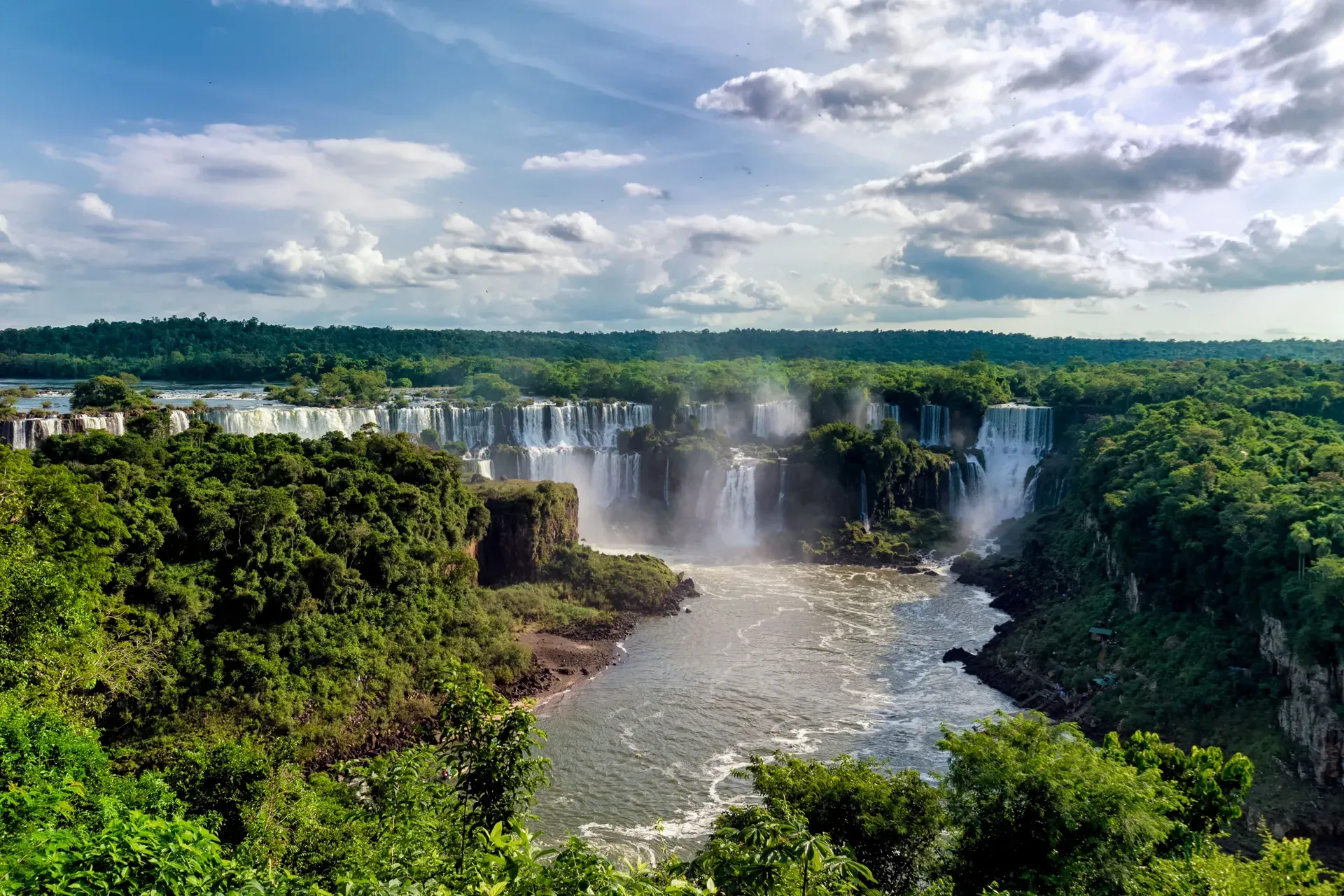
Explore both the Argentine and Brazilian sides of the falls with a comprehensive two-day excursion. Choose from private guided experiences or packages that include a 4-star hotel stay and optional airfare from Buenos Aires.
 Free Cancellation
 See Iguassu Falls from Brazil and Argentina with a private guide, priority park access, and airport transfers.

Explore both sides of Iguazu Falls on a two-day guided trip with 4-star lodging and optional flight packages.
Read what travelers share about their experience visiting Iguazu Falls — from practical tips to personal highlights.
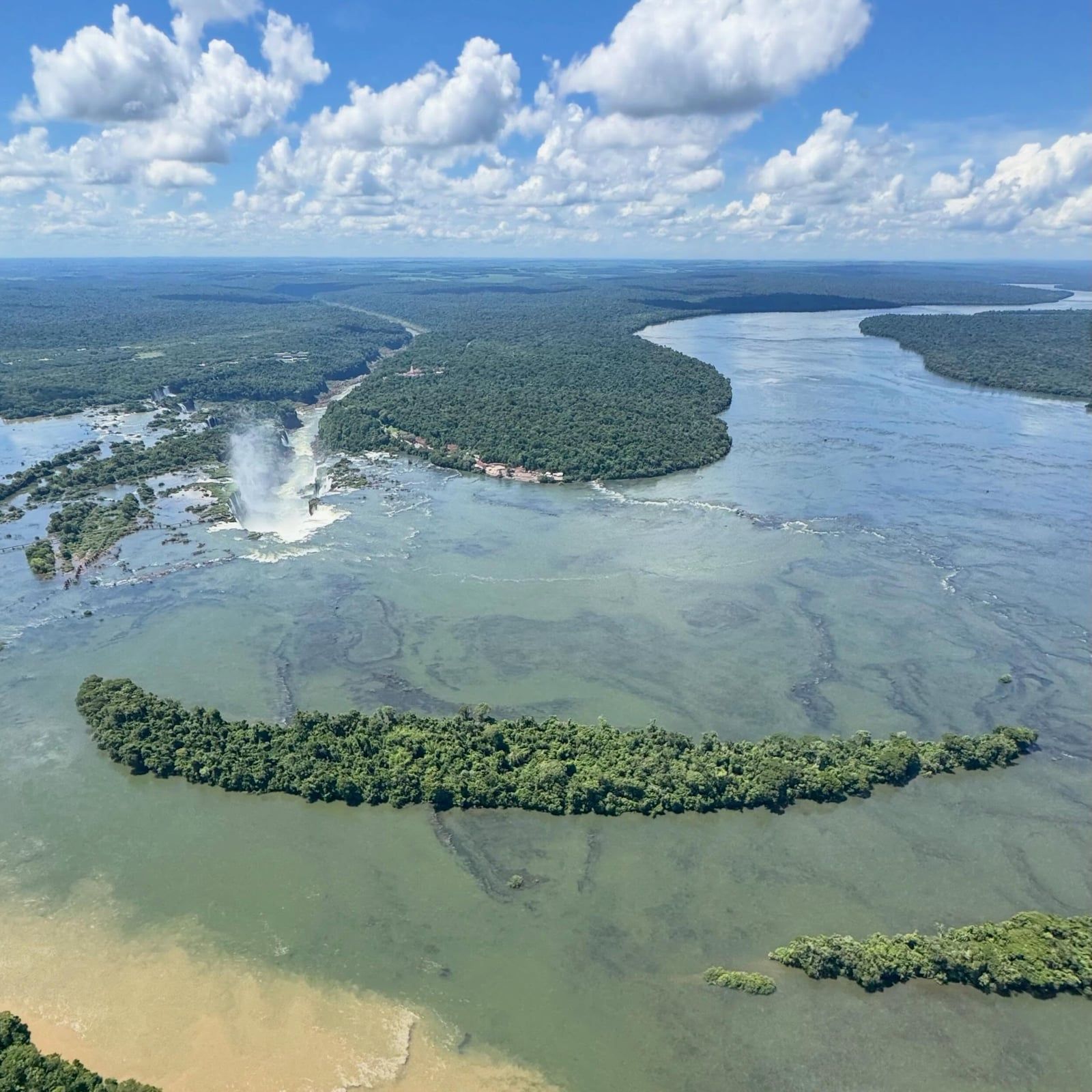
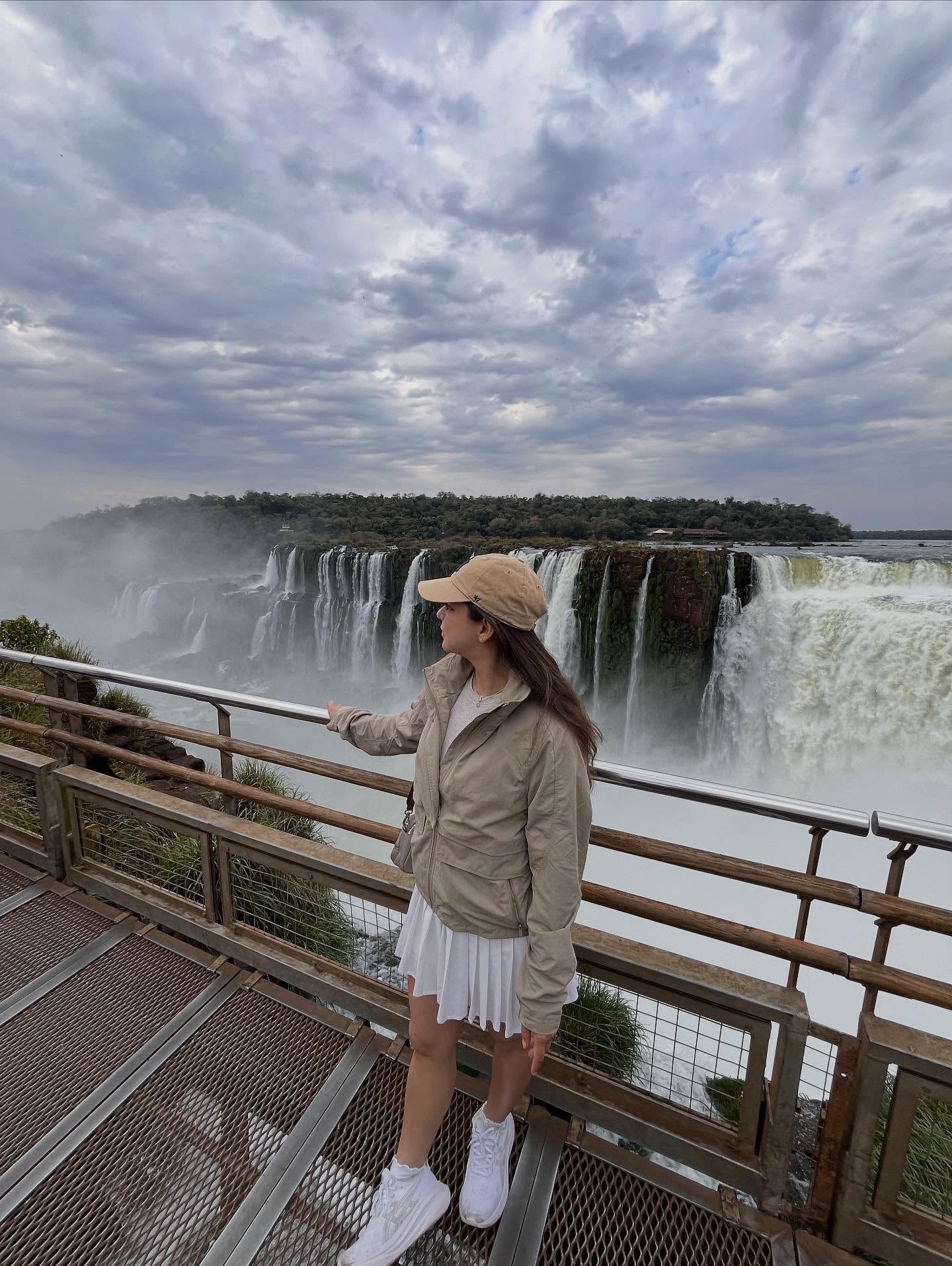
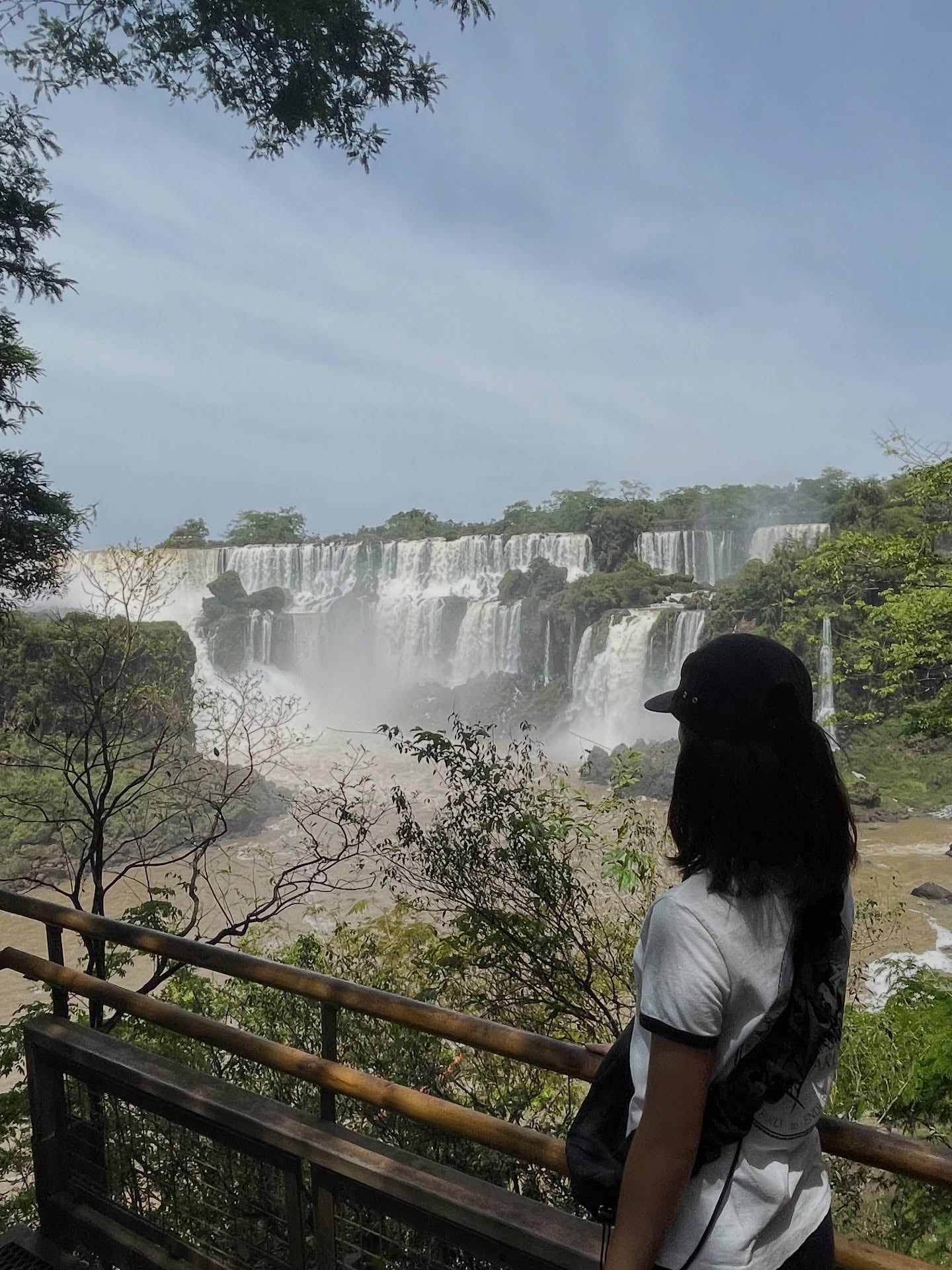
A 2-day tour of Iguazu Falls is the perfect way to fully experience the world's largest waterfall system without rushing. Over 48 hours, you'll cross international borders to witness the raw, thundering power of the Argentine side and take in the sweeping, panoramic beauty of the Brazilian side.
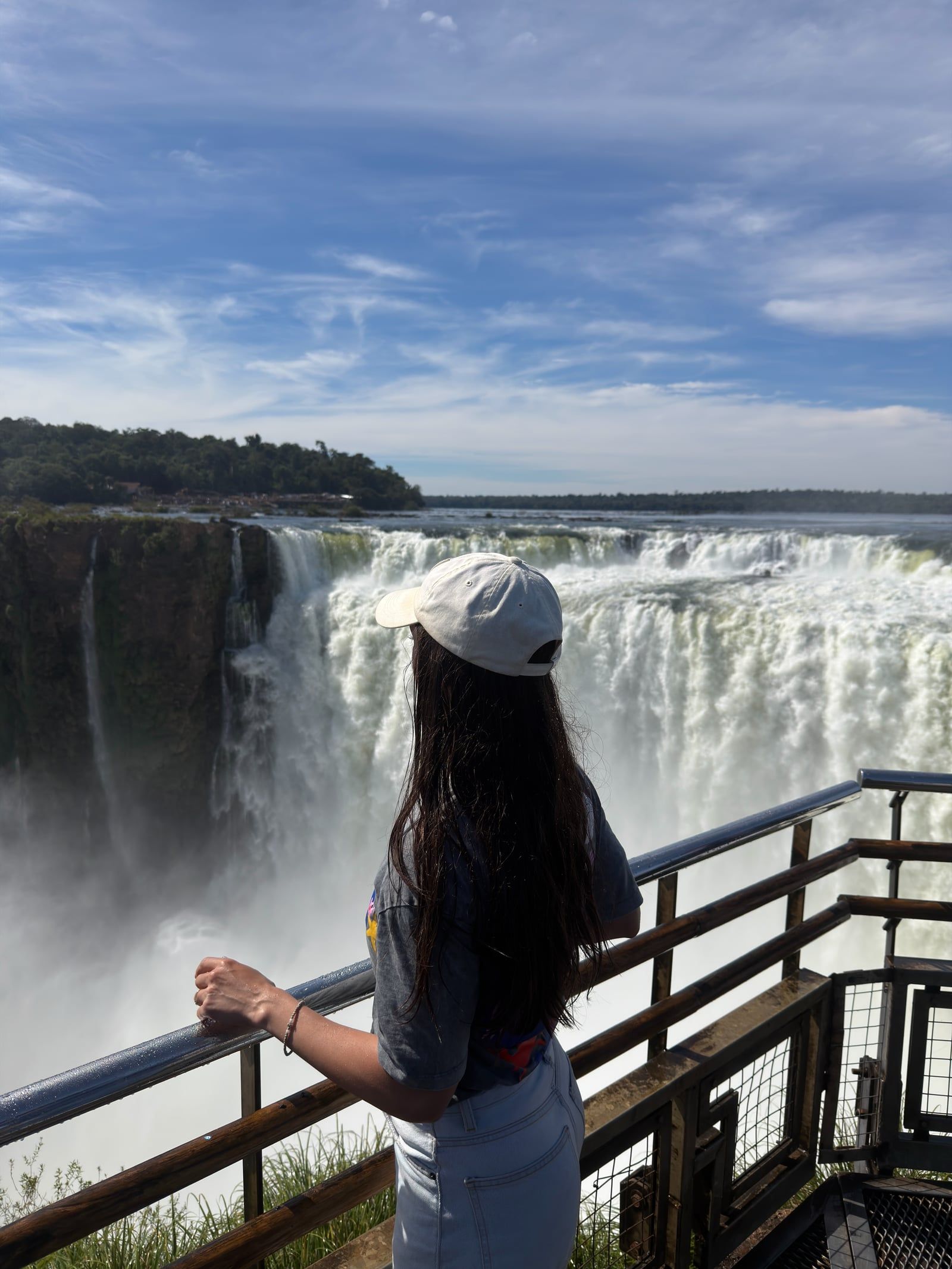
Stand just 50 meters from the edge of Garganta del Diablo, an 82-meter-high horseshoe canyon. The deafening roar and intense spray here are absolutely unforgettable.
Walk the 1.4-kilometer paved trail on the Brazilian side for jaw-dropping wide-angle views. This path gives you the best perspective of the 275 individual cascades.
Ride the open-air, narrow-gauge Ecological Train through 7 kilometers of dense subtropical jungle on the Argentine side to reach the main trailheads.
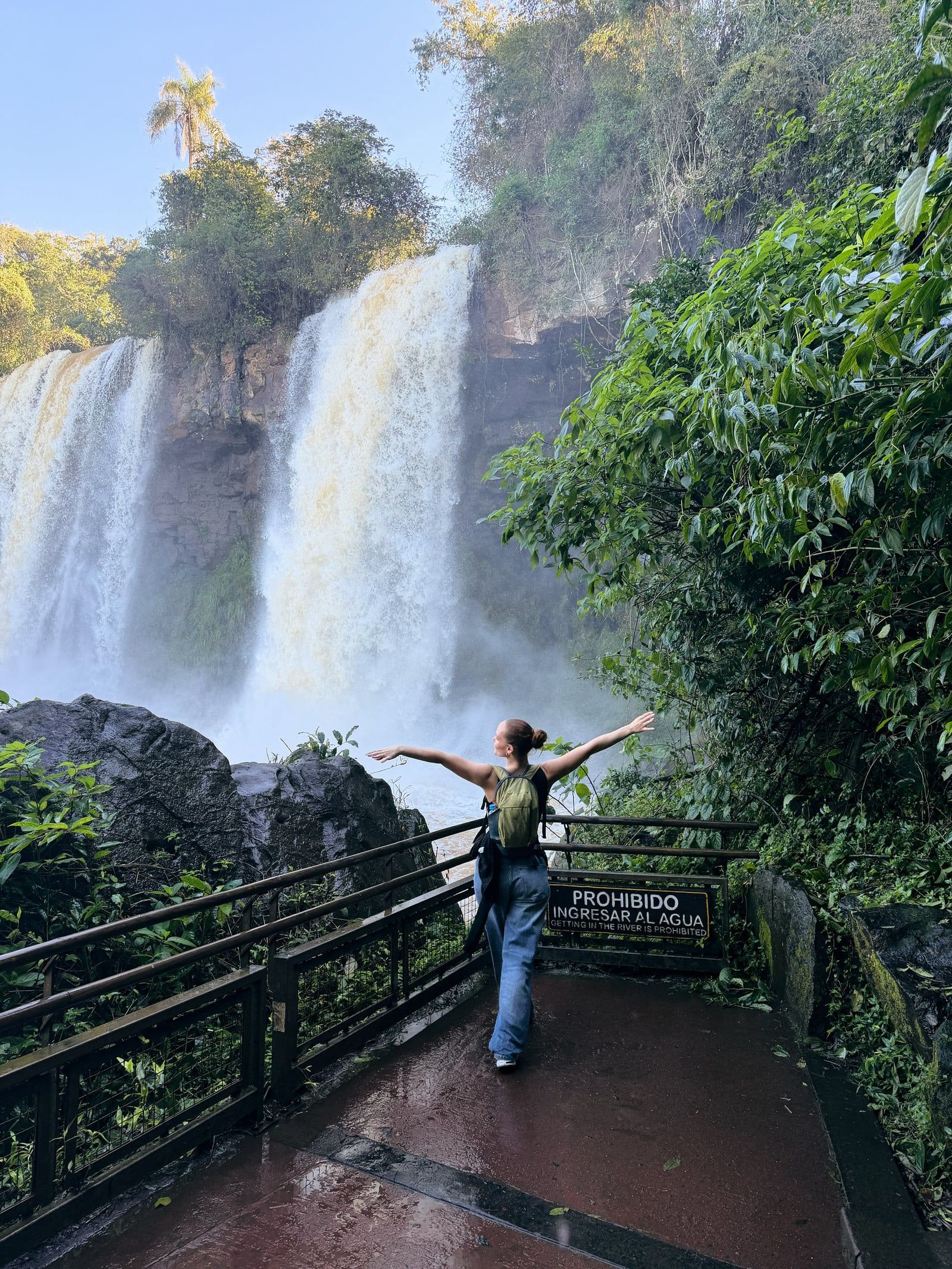
Hike the elevated steel footbridges of the Upper and Lower Circuits. You will get incredibly close to the rushing waters of Salto Bosetti and Dos Hermanas.
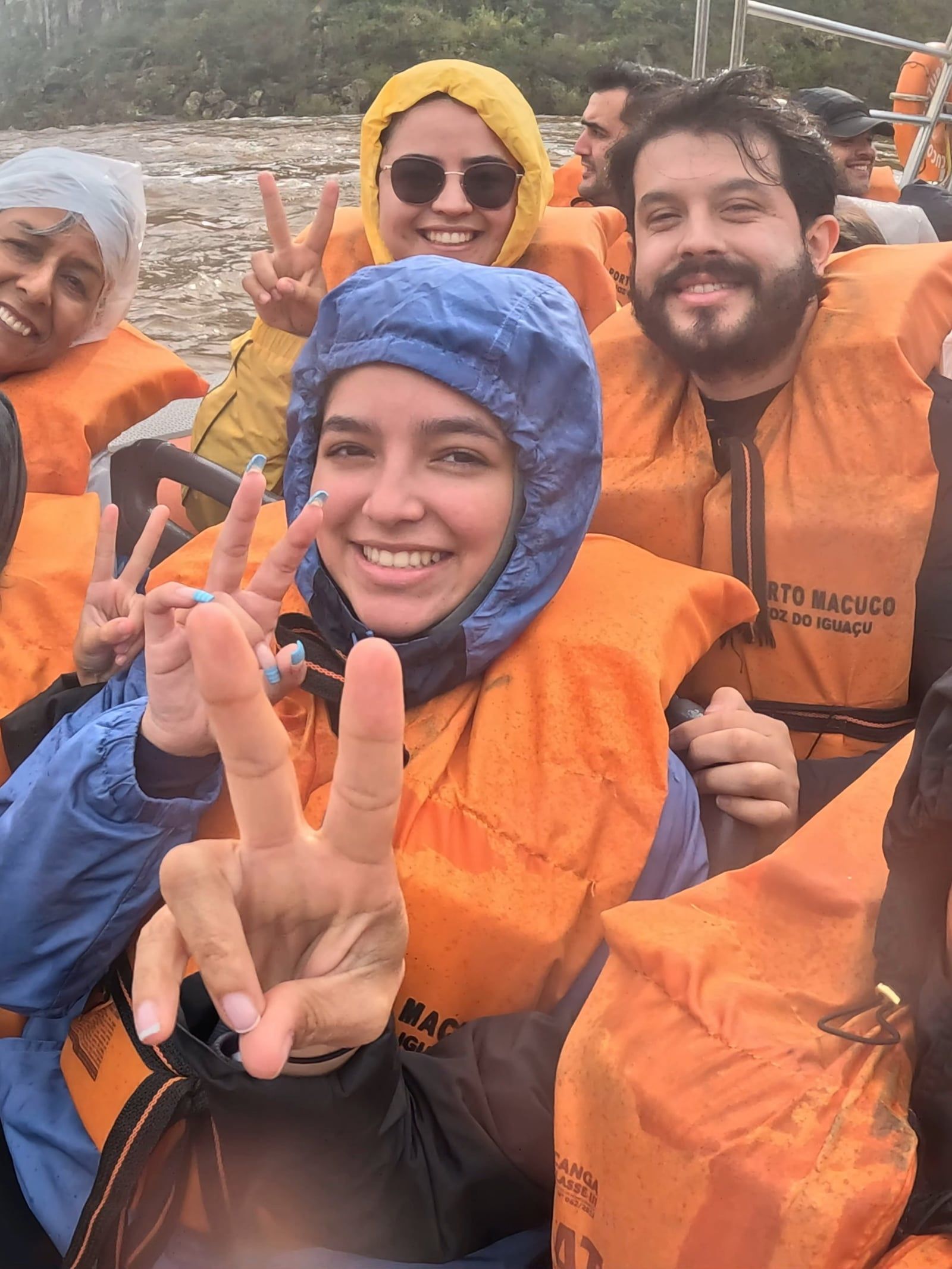
Board a twin-engine speedboat that races up the rapids and drives directly into the roaring spray of the falls. Expect to get completely soaked!
Spot colorful toucans, monkeys, and the famous raccoon-like coatis roaming the trails. Just remember to keep your food hidden and never touch them.
Booking a 2-day tour to Iguazu Falls requires a bit of logistical planning since you are visiting two different countries. Here is what you need to know before securing your spot.
You can choose between private guided tours that just cover your ground transport and expert guide, or comprehensive packages. Some packages even include round-trip flights from Buenos Aires, airport transfers, and a night in a 4-star hotel.
Pay close attention to inclusions. Private tours often exclude national park fees, meaning you'll need to pay roughly $32-$44.50 USD (35,000 ARS) for Argentina and $22 USD for Brazil at the gates. All-inclusive flight packages usually cover these fees.
Because the falls straddle the border, you must bring your physical passport to clear immigration. Note that starting April 10, 2025, citizens of the US, Canada, and Australia will need an e-visa to enter the Brazilian side.
Policies vary significantly by tour type. Standard private tours often offer a full refund if canceled 24 hours in advance. However, multi-day packages that include airfare and hotels are typically strictly non-refundable once booked.
The parks are highly accessible. The Argentine side is 90% wheelchair friendly with adapted steel walkways, while the Brazilian side features step-free panoramic buses and an elevator at Porto Canoas.
You will get wet from the mist, so quick-dry clothing and a waterproof poncho are essential. Avoid wearing white sneakers, as the iron-rich red soil of the Misiones province will permanently stain them.
| Private 2-Day Tour | 2-Day Package with Flights | Standard Group Tour | |
|---|---|---|---|
| Duration | 48 hours | 48 hours | 2 Days |
| Best for | Families & couples wanting a flexible pace | Travelers coming from Buenos Aires | Budget-conscious travelers |
| Inclusions | Private transport, bilingual guide | Flights, 4-star hotel, park fees, transfers | Shared transport, group guide |
| Price from | $210 USD | $390 USD | $150 USD |
Both national parks are open 365 days a year, but their operating hours differ slightly.
Pro Tip: Arrive right at opening time to beat the massive tour groups to the most popular viewpoints.
If your tour doesn't include hotel pickups, getting to the parks is straightforward:
The ideal time to visit Iguazu Falls is during the shoulder seasons of autumn (April to May) and spring (September to October). During these months, the weather is warm but comfortable, water levels are impressive, and the crowds are manageable.
Months to Avoid: January and late July are the absolute busiest times due to Argentine and Brazilian school holidays. January and February also bring extreme heat, high humidity, and afternoon thunderstorms that can temporarily close the trails.
Iguazu Falls is remarkably well-equipped for visitors with mobility challenges.
Note: The Lower Circuit on the Argentine side has some steep, slippery sections that elderly visitors or those with mobility issues may want to avoid.
Both parks offer excellent infrastructure for full-day visits:
To protect the UNESCO World Heritage environment and ensure visitor safety, strict rules are enforced:
It depends on your nationality. While Argentina is visa-free for many, Brazil is reinstating an e-visa requirement for citizens of the US, Canada, and Australia starting April 10, 2025. Always check current entry requirements before booking.
Private guided tours typically do not include park fees, so you will need to pay roughly $32-$45 USD for Argentina and $22 USD for Brazil. However, multi-day packages that include flights and hotels often bundle these fees into the price.
You should dedicate a full day (6 to 8 hours) to the Argentine side, as it contains 80% of the waterfalls and extensive walking circuits. The Brazilian side offers panoramic views and can be completed in a half-day (3 to 4 hours).
Yes, absolutely. Because the tour crosses the international border between Argentina and Brazil, you must carry your physical passport to receive the necessary entry and exit stamps at the immigration checkpoints.
Yes, both sides offer thrilling speedboat excursions (Gran Aventura in Argentina and Macuco Safari in Brazil) that take you under the falls. These are usually optional add-ons costing between $45 and $110 USD, and your guide can help factor the time into your itinerary.
Yes, the parks are highly accessible. The Argentine side has adapted steel walkways for 90% of its trails, and the Brazilian side uses panoramic buses with ramps and an elevator to reach the main viewpoints.
Tours operate rain or shine, and the falls are actually spectacular during heavy rainfall. Just bring a good waterproof poncho, wear shoes with non-slip grips for the wet steel walkways, and use a dry bag for your electronics.
No, drone photography is strictly prohibited in both national parks without prior official authorization. This rule is strictly enforced to prevent disturbing the native wildlife and other visitors.
It is a free, gas-powered narrow-gauge train on the Argentine side that takes visitors on a 7-kilometer ride through the jungle. It connects the park entrance to the main trailheads, including the path to Devil's Throat.
The soil in this region is rich in iron, giving it a vibrant red color. This red dirt turns to mud with the constant waterfall mist and will permanently stain white sneakers, so dark, sturdy hiking shoes are recommended.
Browse verified tours with free cancellation and instant confirmation.
Find Tours


This two-day guided tour provides a comprehensive look at Iguassu Falls from both the Brazilian and Argentine sides. A licensed professional guide will lead you through the parks, ensuring you experience the falls from four different perspectives over the course of your visit. The itinerary is flexible and can be coordinated with private transfers from either the IGU (Brazil) or IGR (Argentina) airports, whether you are arriving the morning of the tour or staying overnight. To maximize your time at the falls, our vehicles use a priority lane at the Argentine border dedicated to tourism traffic. In the Brazilian National Park, we use a special permit to drive you directly to the trails, allowing you to skip the long queues for the public double-decker buses. These logistics are designed to streamline your movement between the two countries and the various park sectors, providing a more efficient and direct experience.
For a full refund, cancel at least 24 hours before the scheduled departure time.
English, Spanish


This two-day excursion covers both the Argentine and Brazilian sides of the falls, providing a comprehensive view of the entire park system. The package includes a night in a 4-star hotel on either side of the border, along with ground transfers in Buenos Aires and Iguazu. Round-trip economy flights can be added to the booking for a fully coordinated itinerary. Led by local guides, you will visit key landmarks like the Devil’s Throat and navigate the jungle trails where local wildlife is often spotted. The itinerary is flexible, offering optional private tours or boat excursions on the Iguazu River. Whether walking the upper circuits or taking to the water, you'll have ample time to see the falls from multiple perspectives.
All sales are final. No refund is available for cancellations.
English, Spanish