
About All Tours Helicopter Ride Tours2-Day ToursFrom Buenos Aires ToursBoat ToursPrivate ToursBoth Sides ToursArgentina Side ToursBrazil Side ToursFull Moon Tours Directions Hours & Fees
Find Tours 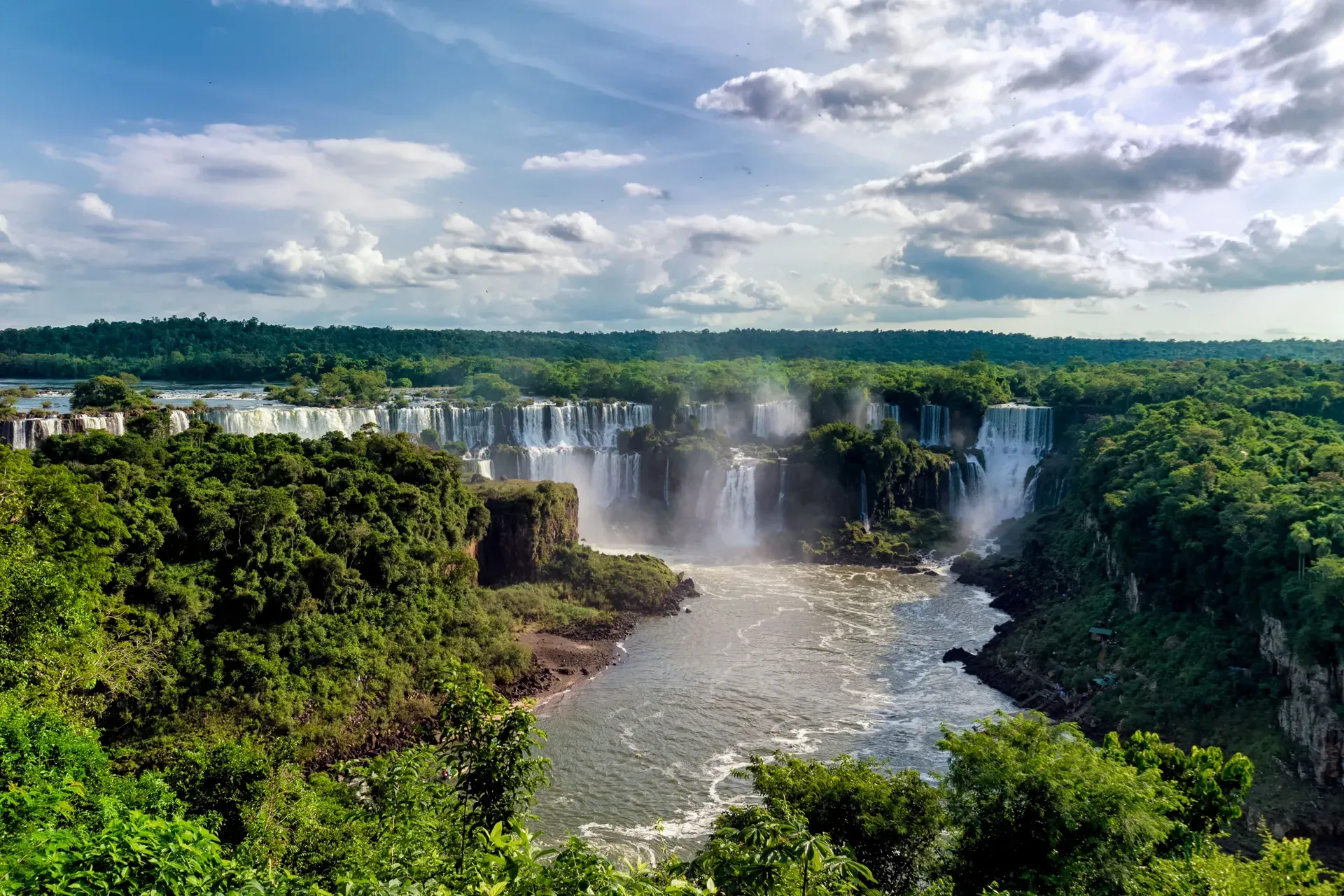
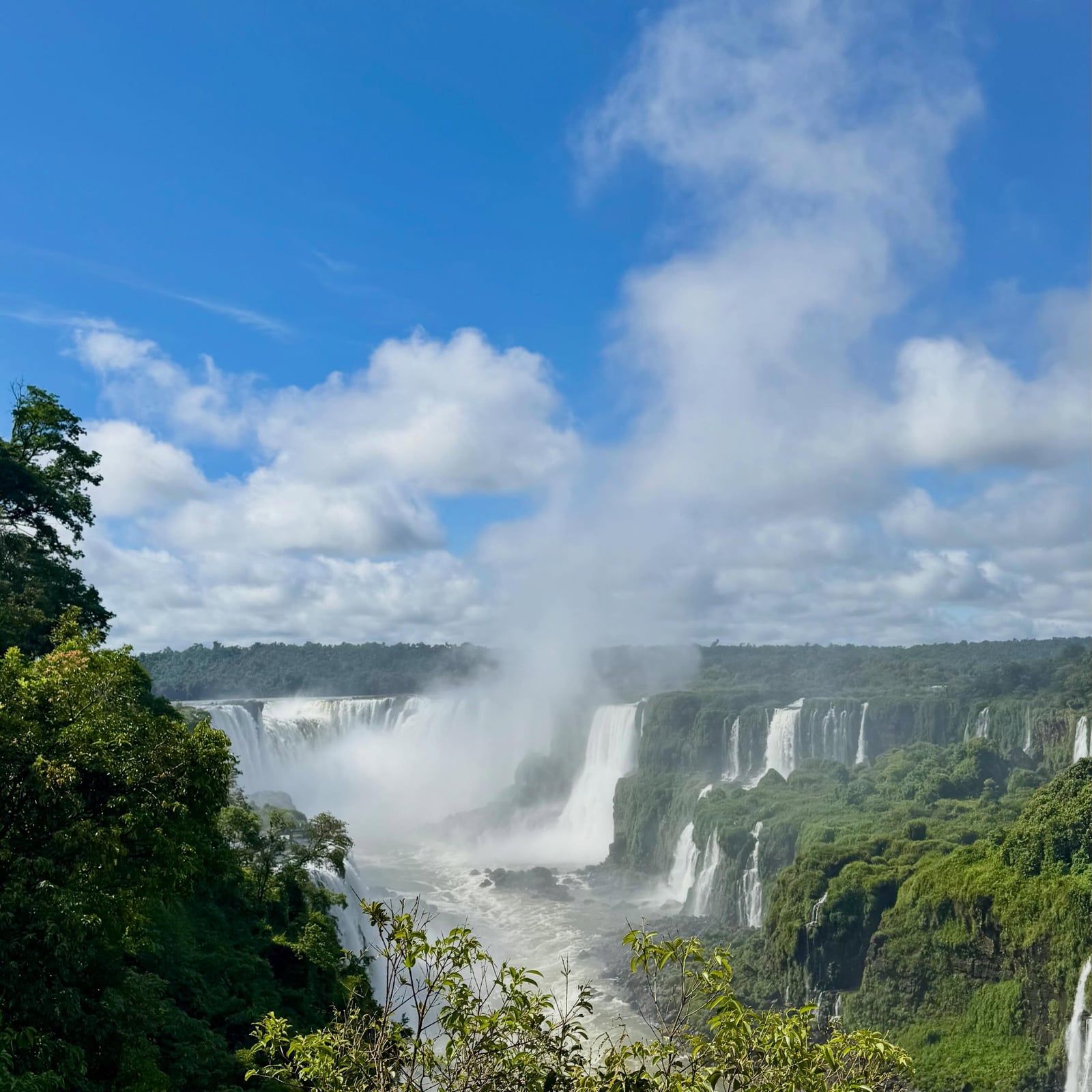
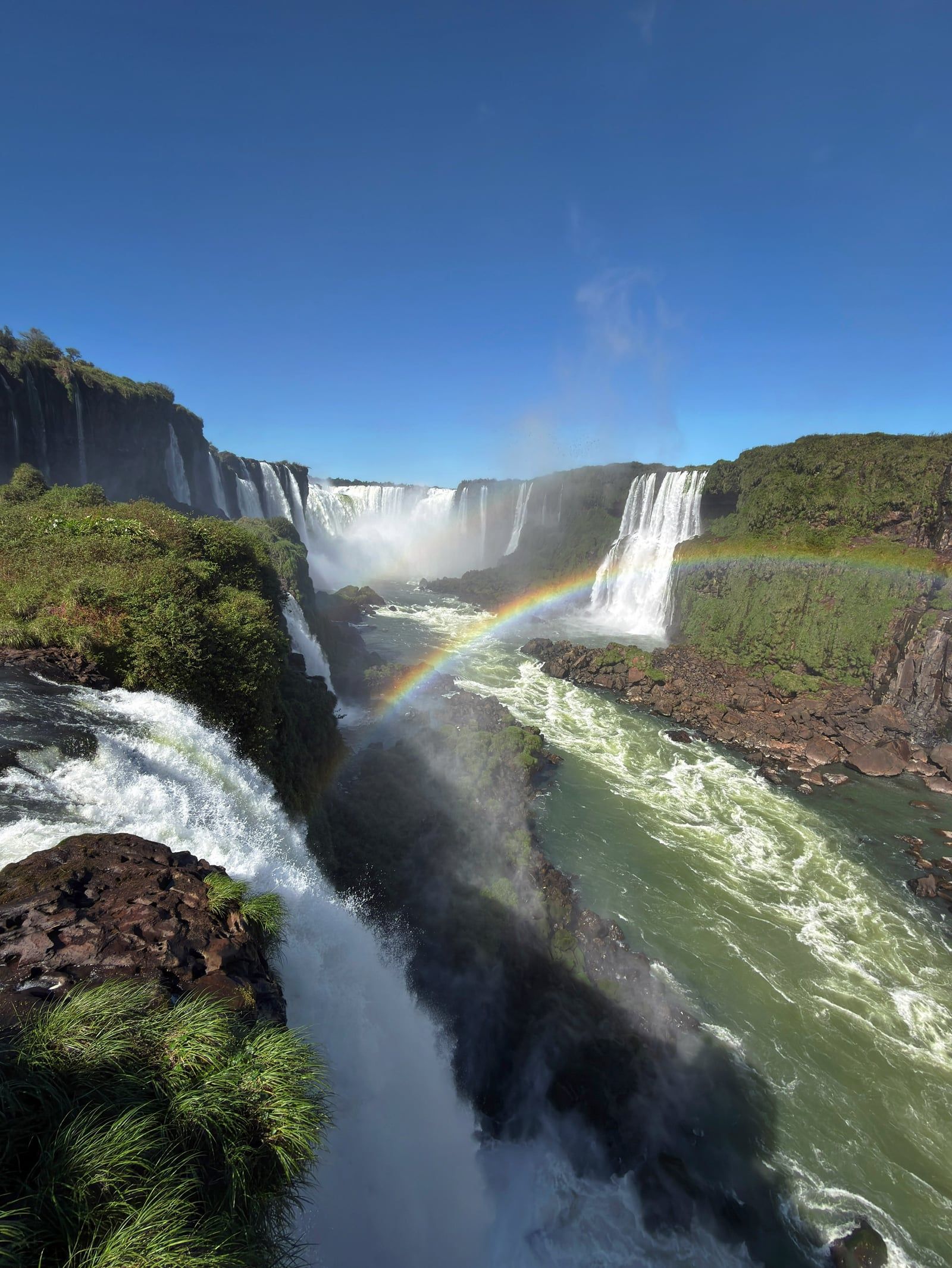
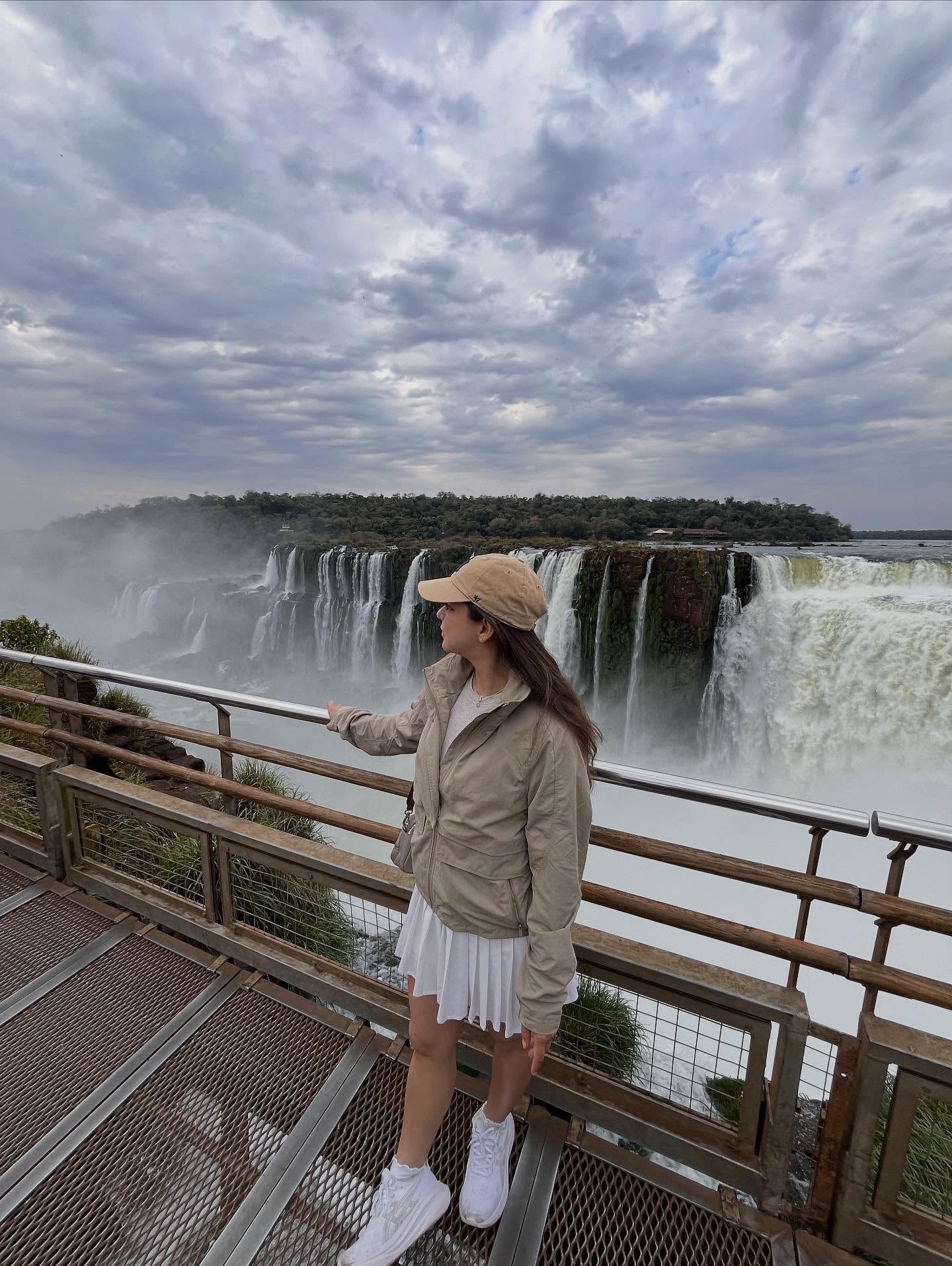
Spanning 2.7 kilometers across the border of Argentina and Brazil, this colossal system of 275 waterfalls discharges 1.8 million liters of water every second. You can walk along steel footbridges suspended directly over the rushing Iguazu River to stand just 50 meters from the 82-meter drop of Garganta del Diablo.
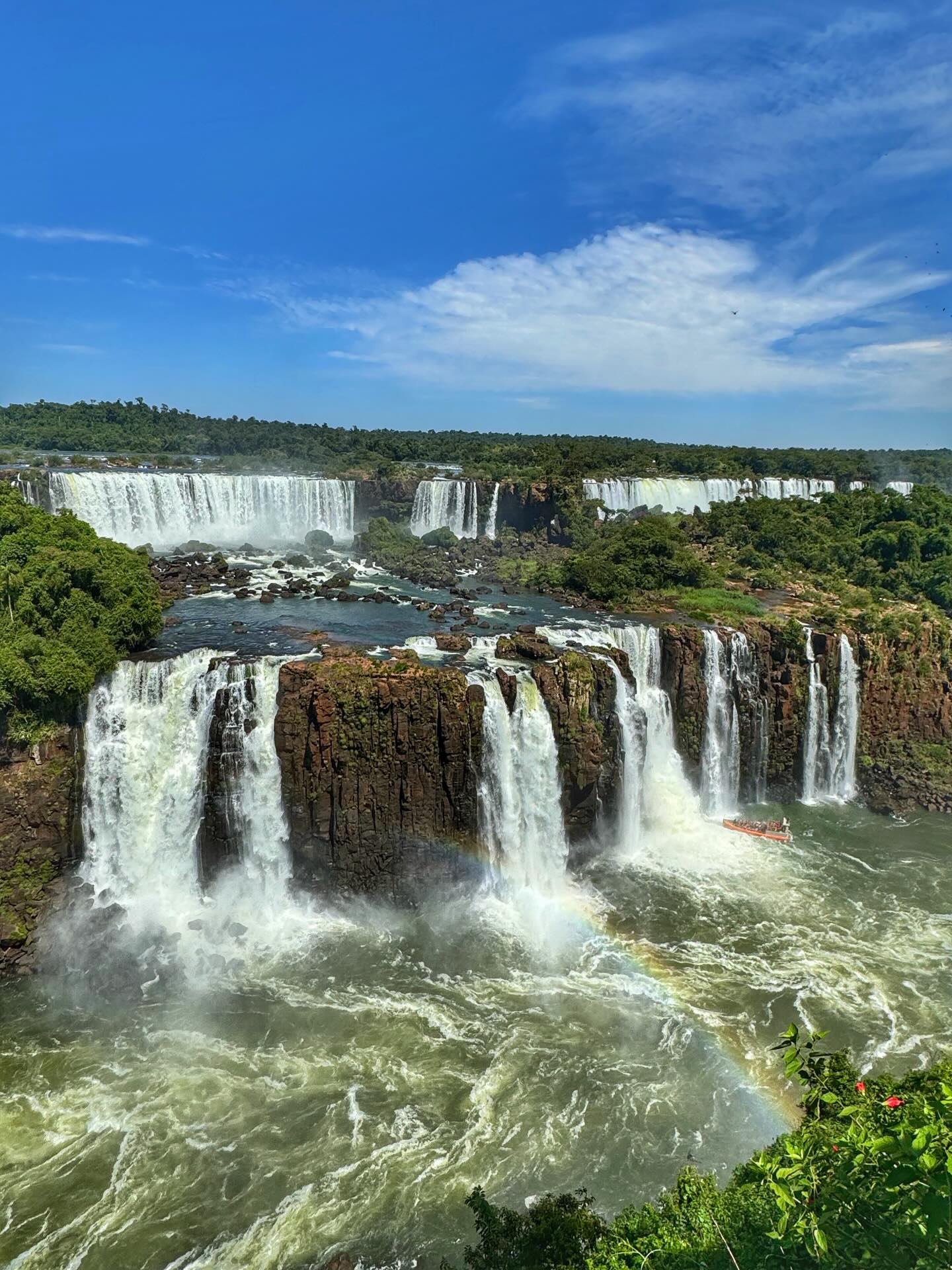
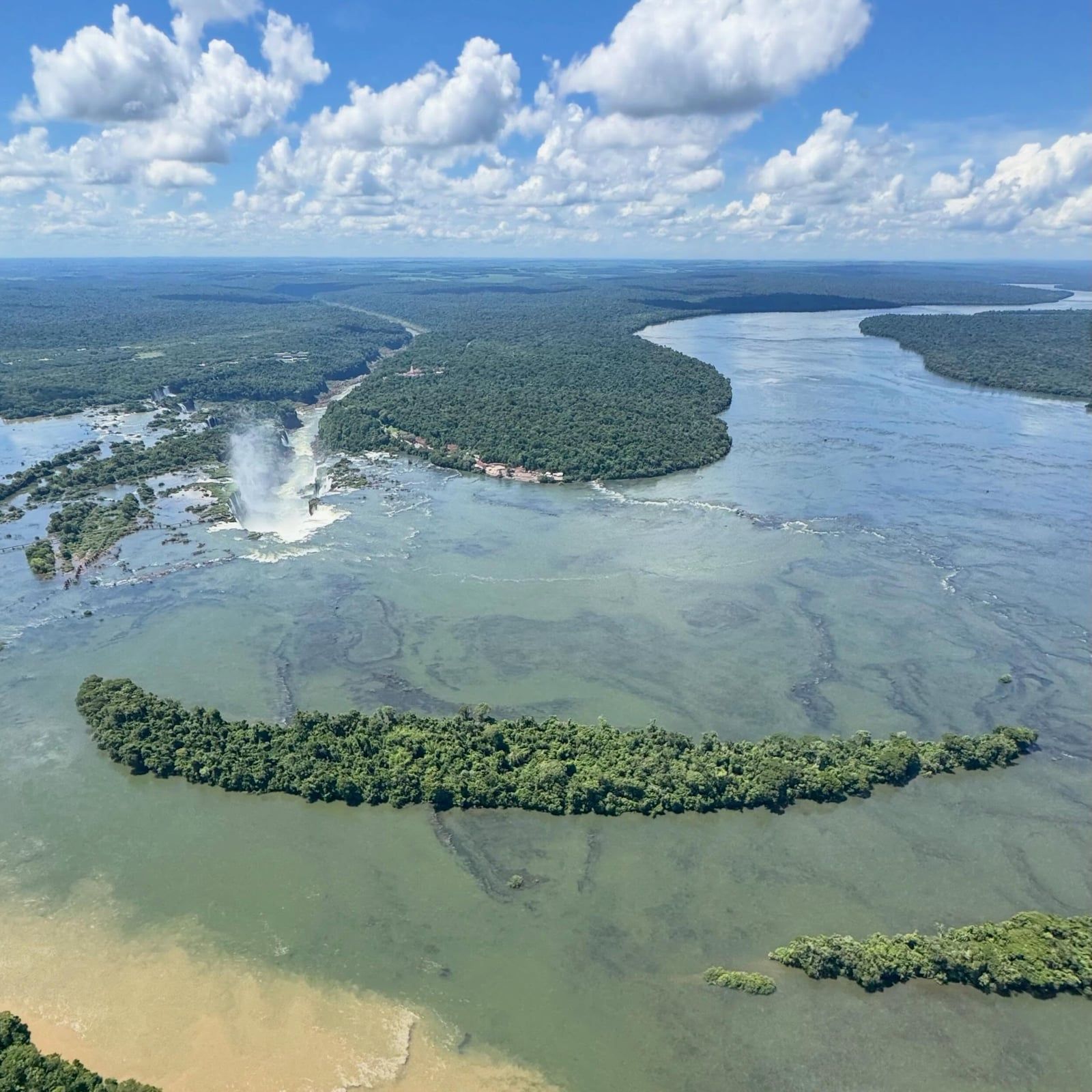
Find Guided ToursIguazu Falls is the largest waterfall system in the world, straddling the border between the Argentine province of Misiones and the Brazilian state of Paraná. Fed by the Iguazu River, the system forms a 1.7-mile (2.7-kilometer) horseshoe shape composed of approximately 275 individual cataracts. The waterfalls range from 60 to 82 meters in height, with the highest being the Garganta del Diablo. About 80 percent of the falls are located on the Argentine side.
The cataracts discharge an average of 1,800,000 liters of water per second over Quaternary basaltic volcanic rocks. These rock layers belong to the Serra Geral Formation and date back 125 to 115 million years. A dense, humid subtropical rainforest surrounds the river. This protected environment supports over 2,000 vascular plant species and rare wildlife, including jaguars and tapirs.
Hunter-gatherers of the Eldoradense culture inhabited the surrounding region 10,000 years ago. Around 1,000 C.E., the Guaraní people displaced them. The falls hold deep spiritual importance for the Guaraní, featuring prominently in creation myths about a powerful deity who sliced the river in anger. In 1541, Spanish Conquistador Álvar Núñez Cabeza de Vaca became the first European to record the site.
Efforts to protect the area's biodiversity began in 1897 when Brazilian army officer Edmundo de Barros proposed establishing a national park. This vision led to the creation of Argentina's Iguazú National Park in 1934, followed by Brazil's Iguaçu National Park in 1939. Both parks earned UNESCO World Heritage Site designations in the 1980s and share recognition as one of the New Seven Natural Wonders of the World.
Discover the full history and cultural significance on our About page.
Board a twin-engine speedboat and race up the turbulent rapids of the Iguazu River. The captain intentionally drives the vessel directly into the roaring spray of the cataracts. You will get completely soaked by the heavy mist while taking in the sensory overload of the thundering water.
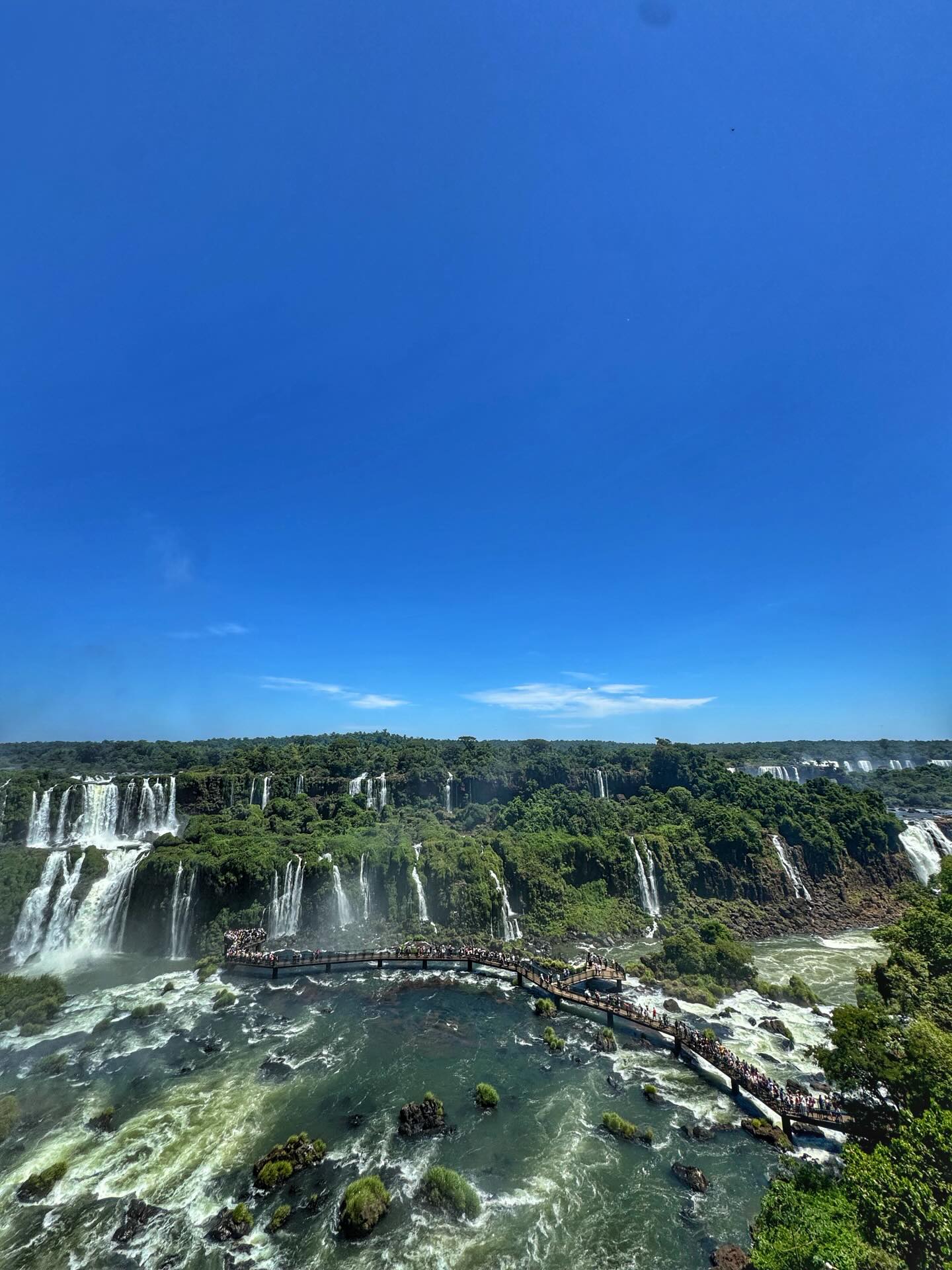
Walk along a one-mile network of suspended steel footbridges directly over the rushing Iguazu River. The path positions you just 50 meters from the edge of the 82-meter-high horseshoe-shaped canyon. The deafening roar and intense spray provide a raw look at the sheer power of the water.
Navigate the 2.5-kilometer Lower Circuit trail to enter the dense, humid Atlantic rainforest. This path brings you incredibly close to the rushing waters of Salto Bosetti and Dos Hermanas Falls. Listen to chirping birds as you navigate the heavy mist surrounding this rich subtropical ecosystem.
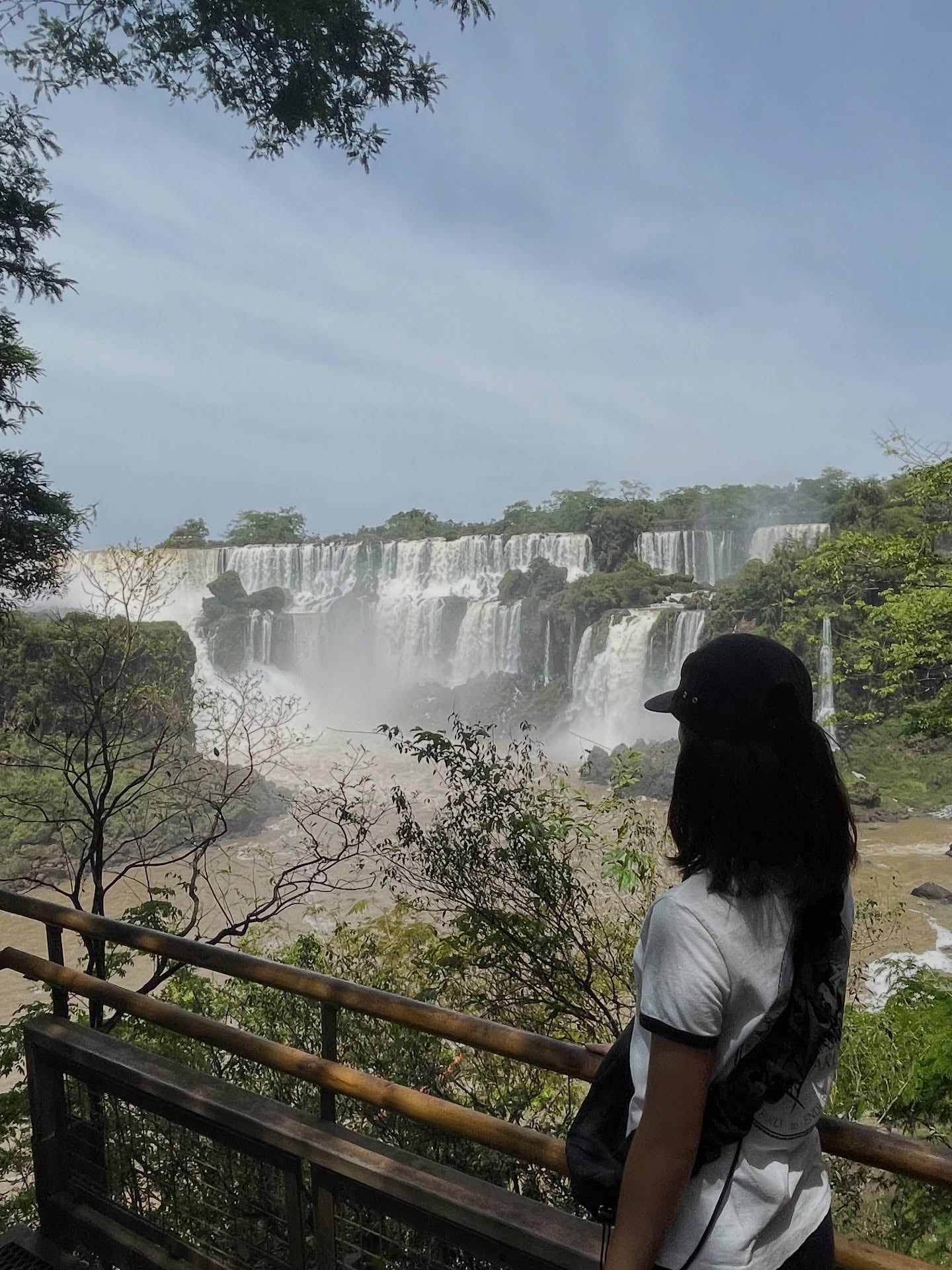
Follow the 1.4-kilometer paved trail on the Brazilian side for continuous, wide-angle views of the 275 individual cataracts. The path ends at a walkway extending over the gushing water. Afterward, ride the step-free panoramic elevator up to Porto Canoas for a stunning bird's-eye perspective of the canyon.
Hand-picked tours with free cancellation and verified reviews
 Free Cancellation
  Free Cancellation
  24h
24h  Free Cancellation
  Free Cancellation
  Free Cancellation 3h 30min
  Free Cancellation 8h
  Free Cancellation 9h
 The ideal time to visit Iguazu Falls is during the autumn and spring shoulder seasons, specifically April to May and September to October. These periods offer pleasantly warm weather, high water levels, and fewer crowds.
Spring, specifically September to October, is a shoulder season offering pleasantly warm weather and high water levels for spectacular views. You will also successfully avoid the massive peak holiday crowds.
January and February are extremely hot and humid, with temperatures exceeding 30°C (86°F). Frequent afternoon thunderstorms can temporarily close trails, and January brings massive crowds from regional school holidays.
Autumn, particularly April to May, provides pleasantly warm weather and high enough water levels for spectacular viewing. This shoulder season successfully avoids the massive crowds of the peak holiday periods.
Late July is considered one of the worst times to visit due to massive crowds from Argentine and Brazilian school holidays. Avoid this specific period to bypass heavy regional congestion.
Both national parks operate 365 days a year. The Argentine side is open daily from 8:00 AM to 6:00 PM, with the final entry permitted at 4:30 PM. The last Eco-Train to the Devil's Throat departs at approximately 3:30 PM. The Brazilian side operates from 9:00 AM to 4:00 PM Monday through Friday, opening slightly earlier at 8:30 AM on weekends and public holidays. Visitors must exit the Brazilian park by 5:30 PM.
| Category | Price |
|---|---|
| Foreign Adult (Argentine Side) | 35,000 ARS (approx. $32 to $44.50 USD) |
| Foreign Adult (Brazilian Side) | $22 USD |
| Mercosur Citizens & Children under 11 (Brazilian Side) | Discounted rate |
| Children under 6 (Both Sides) | Free |
| People with disabilities and companions (Both Sides) | Free |
Advance online ticket purchases are strongly recommended to secure specific time slots and bypass gate queues, which can take 30 to 60 minutes. Retain your physical ticket from the Argentine side; presenting it the following day grants a 50% discount on a second consecutive day of admission.
For complete schedules and ticket prices, visit our Hours & Fees page.
Visitors can access the waterfall system from either Puerto Iguazú in Argentina or Foz do Iguaçu in Brazil. Both towns offer direct public buses and private transport options to their respective national park entrances.
Public buses operate frequently from the Puerto Iguazú town center to the Argentine park entrance. Vehicles depart from the main terminal located on Avenida Córdoba. The route follows Ruta 12 for 18 kilometers, dropping passengers directly at the main gate. Departures run every 20 to 30 minutes throughout the day. The operator Rio Uruguay manages this efficient transport link.
Budget-conscious travelers can utilize the local bus system departing from the Terminal de Transporte Urbano in Foz do Iguaçu. This route covers a 15-kilometer distance directly to the Brazilian park entrance. Services run on a reliable schedule with buses leaving every 30 minutes. It provides a straightforward and economical transport method for reaching the waterfalls.
Taxis serve as the primary private transportation method in Puerto Iguazú because ride-sharing applications are unavailable. Cabs are readily accessible at the town's main bus station and along major streets. Drivers cover the 18-kilometer distance to the park entrance efficiently. This option suits visitors seeking direct, private transit without waiting for scheduled bus departures.
Uber provides a highly reliable and affordable method for traveling the 15 kilometers from the Foz do Iguaçu town center to the park. However, securing a return ride via the application can be unpredictable at the park gates. Visitors should plan to hire a local taxi for their return trip to the city center.
For detailed transport options and routes, visit our Directions page.
Aim to stand at the park entrance before 8:00 AM on the Argentine side or 8:30 AM on Brazilian weekends. This timing lets you catch the first Eco-Train or bus. You will reach the popular Devil's Throat walkway before the massive tour groups arrive.
A thorough visit to the Argentine side requires six to eight hours. If you need more time, hold onto your physical entrance ticket. Presenting this ticket at the counter the following day grants a 50 percent discount on your second consecutive day of park admission.
The heavy mist from the 82-meter-high waterfalls will completely soak you and your gear. Pack multiple microfiber cloths and a dry bag. Use a cheap shower cap or plastic sleeve to shield your camera and phone from severe water damage on the walkways.
The soil in the Misiones province contains high levels of iron, giving it a deep red color. This dirt easily stains light fabrics permanently. Leave your white sneakers behind and opt for dark, non-slip hiking shoes to safely navigate the 1-mile network of wet steel footbridges.
The surrounding rainforest is home to over 2,000 plant species and diverse wildlife, including raccoon-like coatis. These animals roam the trails for snacks and can bite or scratch aggressively. Keep all food securely zipped inside your backpack and never attempt to feed or touch them.
The 1.7-mile waterfall system straddles the international border between Argentina and Brazil. Tourists cannot walk across the bridge and must use motorized transport to travel between the two parks. You must bring your physical passport to clear both immigration posts and receive required entry stamps.
Located opposite the Brazilian park entrance, this 40-acre sanctuary houses over 1,000 birds representing 150 species. Visitors walk through massive aviaries to view rare harpy eagles, toucans, and macaws up close.
This viewpoint overlooks the confluence of the Iguazu and Paraná rivers where Argentina, Brazil, and Paraguay meet. It features a towering obelisk and a giant Ferris wheel offering panoramic views of all three nations.
Built in 1632 using local red sandstone, this UNESCO World Heritage Site highlights the architectural integration of European Baroque design and indigenous Guaraní culture. It provides historical context regarding early Jesuit missions.
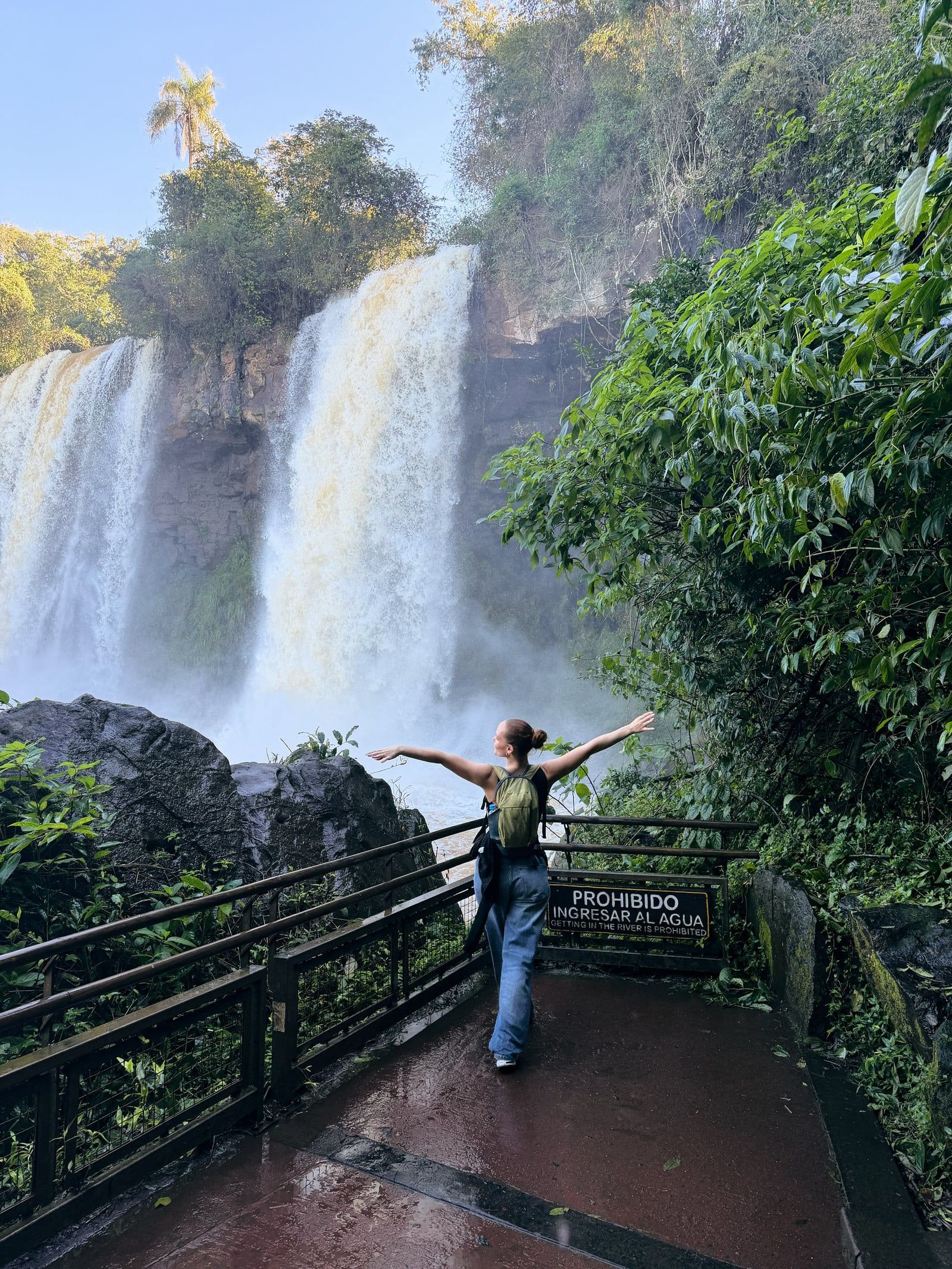
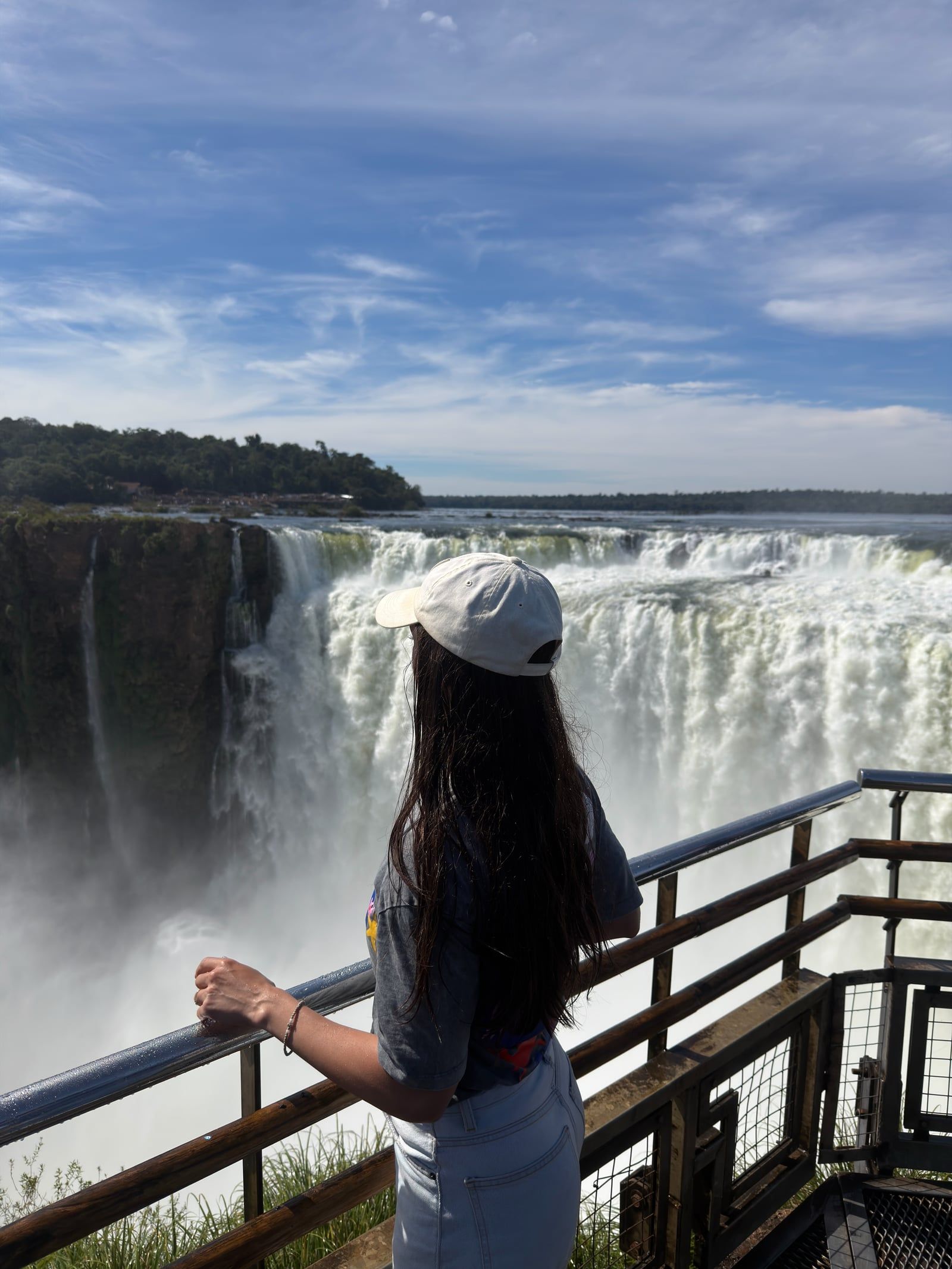
Read what travelers share about their experience visiting Iguazu Falls — from practical tips to personal highlights.

Admission to the Argentine side costs 35,000 ARS (roughly $32 to $44.50 USD) for foreign adults, while the Brazilian side charges $22 USD. Children under six enter both parks for free. If you visit the Argentine side for a second consecutive day, presenting your first ticket grants a 50% discount.
The Argentine park is open 365 days a year from 8:00 AM to 6:00 PM, with the last entry at 4:30 PM. The Brazilian side operates from 9:00 AM to 4:00 PM on weekdays, and opens 30 minutes earlier at 8:30 AM on weekends and public holidays. Both parks remain open until 5:30 PM on the Brazilian side for visitors already inside.
You need a minimum of two days to thoroughly explore both sides of the waterfall system. Plan for one full day of 6 to 8 hours to hike the extensive trail network on the Argentine side. Dedicate a half-day of 3 to 4 hours for the panoramic viewpoints on the Brazilian side.
Public buses depart from the Puerto Iguazú terminal in Argentina every 20 to 30 minutes, taking 30 minutes to cover the 18 kilometers for $1 to $2 USD. From Foz do Iguaçu in Brazil, buses leave the main terminal every 30 minutes and cost under $1 USD. Taxis and Uber are also available, though Uber is only highly reliable on the Brazilian side.
Wear quick-dry clothing, a waterproof poncho, and dark, non-slip hiking shoes, as the region's iron-rich red soil will permanently stain white sneakers. Pack a dry bag or plastic sleeve to protect your electronics from the heavy mist near the 82-meter Garganta del Diablo. You must also bring your physical passport to cross the international border between the two parks.
Yes, the Argentine side is 90% accessible, featuring adapted steel walkways, ramps, and free conventional wheelchairs at the visitor center. The Brazilian side provides step-free access using panoramic buses equipped with ramps and a panoramic elevator at Porto Canoas. Both parks are highly manageable for visitors with limited mobility, though the Macuco Trail in Brazil is not accessible.
It is strongly recommended to purchase your entrance tickets online before arriving at the parks. Booking ahead secures your preferred entry time slot and allows you to bypass gate queues that can take 30 to 60 minutes during peak seasons. You can scan the mobile ticket directly at the entrance for faster access.
Flying a drone is strictly prohibited in both national parks without official, pre-arranged permission from park administrators. This restriction is enforced to ensure visitor safety and prevent disturbance to the local wildlife, which includes over 2,000 plant species and rare animals. Personal photography with professional equipment is allowed on all public walkways without a permit.
Browse verified tours with free cancellation and instant confirmation.
Find Tours